 ultimate-guide
What Does an Auto Repair Warranty Cover?
Last Updated: November 4, 2026
Quick Summary
An auto repair warranty is a separate agreement, usually bought after purchase, that pays for specified repairs when a covered part fails. It typically covers the replacement part and sometimes the labor to install it, but only for listed components and for sudden mechanical breakdowns, not normal wear or missed maintenance.
- Extended car warranties commonly cost around $1,000 to $2,500 per year, according to ConsumerAffairs.
- Stated-component plans protect only the named parts, while exclusionary plans protect everything not excluded.
- Normal wear items like brake pads, belts, hoses and fluids are excluded from most repair warranties.
- Keep dated invoices for every service, since missing maintenance records are a common reason claims are denied.
- Ask the performing shop for a written diagnosis first, then escalate denials through the provider's appeal process.
Table of Contents
- What an Auto Repair Warranty Is and How It Differs From a Manufacturer Warranty
- Parts and Labor Coverage: What a Typical Repair Warranty Pays For
- What Is Excluded: Wear and Tear, Maintenance, and Accidents
- How Long an Auto Repair Warranty Lasts and What Affects the Term
- Reading the Auto Repair Shop Warranty Template Before You Sign
- What to Do When a Warranted Car Repair Fails
- Booking Your Next Repair With a Warranty You Can Read in Full
- Frequently Asked Questions
What an Auto Repair Warranty Is and How It Differs From a Manufacturer Warranty
Most drivers assume a repair warranty works like the factory coverage that came with the car. It doesn't. An auto repair warranty is a separate agreement, usually sold after purchase, that promises to pay for specified repairs when a covered part fails. For a fuller explanation of what these warranties cover, read what an automotive repair warranty covers. Euro Specialist publishes this guide to help owners of European vehicles understand exactly what they are buying before they sign.
The distinction matters because the two protections are built differently. A manufacturer warranty comes from the carmaker and typically covers defects in materials or workmanship for a set period or mileage, according to Kelley Blue Book car warranty guide. An extended or repair warranty comes from a third-party provider or sometimes the dealer, and it begins once the factory coverage ends. Extended car warranties commonly cost around $1,000 to $2,500 per year, according to ConsumerAffairs auto warranty overview, though the price depends on the plan terms and the vehicle.
The practical question is what the plan actually promises. Read the contract, not the sales brochure, and look for the language that defines covered components.
Parts and Labor Coverage: What a Typical Repair Warranty Pays For
Repair warranties generally cover two things: the replacement part and the labor to install it. Some plans pay both in full, while others pay only for the component itself and leave the labor bill with you. Check which one your contract promises.
Coverage also depends on how the plan lists its protected parts. Some use exclusionary coverage, listing what isn't covered, so everything else is protected by default. Others use stated component coverage, naming specific parts such as the engine, transmission or A/C system. A stated-component plan only protects what it names.
Brakes are a common warranted repair, and they are a useful test of a plan's wording. You can see the brake service offered here to compare what is named in writing. Brake inspections and repair are a job where you want the warranty to name the parts and the labor clearly before the work begins.
The table below sums up what a typical repair warranty pays for, based on the points covered in this section.
| Coverage question | What to check | Why it matters |
|---|---|---|
| Parts | Is the replacement part paid in full? | Plans differ on whether parts are covered |
| Labor | Does the plan pay the labor to install the part? | Some plans leave labor with the owner |
| Coverage style | Exclusionary or stated component? | A stated-component plan protects only named parts |
| Named parts | Are the engine, transmission or A/C listed? | Only listed components are protected |
| Brake work | Are the brake parts and labor named in writing? | Clear wording prevents disputes before work begins |
What Is Excluded: Wear and Tear, Maintenance, and Accidents
Nearly every warranty excludes certain items, and these exclusions cause most disputes. But the exclusion list alone doesn't tell you whether a specific failure will be paid, you also need to understand how a provider decides that a failure falls inside an exclusion. That decision process is where most claims are won or lost.
Expect the following to be excluded: a complete guide to when European car brakes need replacing helps tell normal wear from covered failure.
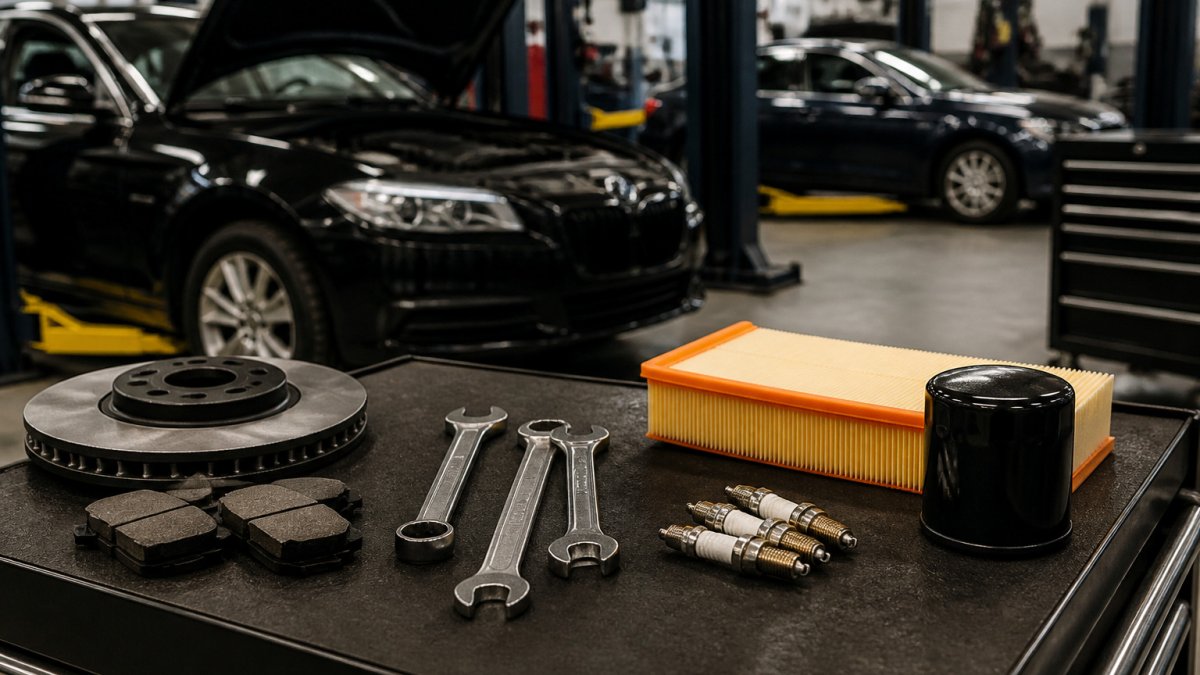
- Normal wear items such as brake pads, wiper blades, clutch friction material, belts and hoses
- Routine maintenance, including oil changes, filters, fluid top-offs and tire rotations
- Damage from accidents, misuse, neglect or environmental events such as flooding or hail
- Failures caused by a missed service interval, unauthorized modifications or aftermarket parts
- Pre-existing conditions or failures that were present before the plan started
- Cosmetic damage and gradual deterioration that doesn't cause a functional failure
The mechanical breakdown distinction. A repair warranty is usually a mechanical breakdown contract, not a maintenance plan. That means it pays when a covered part fails suddenly and unexpectedly, a water pump that seizes, an alternator that stops charging, a transmission that slips, but not when a part simply wears out on schedule.
The 'caused-by' exclusion chain. Most contracts exclude a covered part's failure if an excluded part or event caused it. A failed oil change that leads to engine bearing damage is typically denied because the root cause was maintenance, even though the engine itself is a named covered component.
How a provider attributes a failure. When a claim is filed, the shop diagnoses the failure and the provider reviews the diagnosis, the service history and sometimes sends an inspector.
Maintenance records matter here. If a claim is denied for lack of maintenance, your service history is your evidence. Keep every receipt and invoice. For routine upkeep, preventative maintenance helps create a documented service history.
Watch out: A denied claim often traces back to a gap in the service record or an excluded upstream cause, not the failed part itself. Keep dated invoices for every service, even oil changes, and ask the shop to write the diagnosis in cause-and-effect terms rather than just naming the broken part.
How Long an Auto Repair Warranty Lasts and What Affects the Term
Repair warranties run for a defined period, measured in months, miles, or both, and the contract states which limit ends coverage first. A plan that lasts 36 months but caps coverage at 36,000 miles ends at whichever comes first, so a high-mileage driver can exhaust the term quickly.
The term is also shaped by the vehicle's age, the plan's deductible, and how the claim is handled. Before deciding, you can read whether high mileage service is worth the cost. Ask whether the plan can be transferred if you sell the car, since transferability can add resale value. Whether the term is renewable, and at what price, is another question worth asking before you buy.
Reading the Auto Repair Shop Warranty Template Before You Sign
A shop's own warranty on its work is different from a service contract you buy from a provider. The shop warranty typically covers the repaired part and labor for a stated period, often expressed as months or miles. Before you sign a repair order, read the shop's warranty template and check three things: what the repair covers, how long it lasts, and what the shop requires from you to keep it valid.
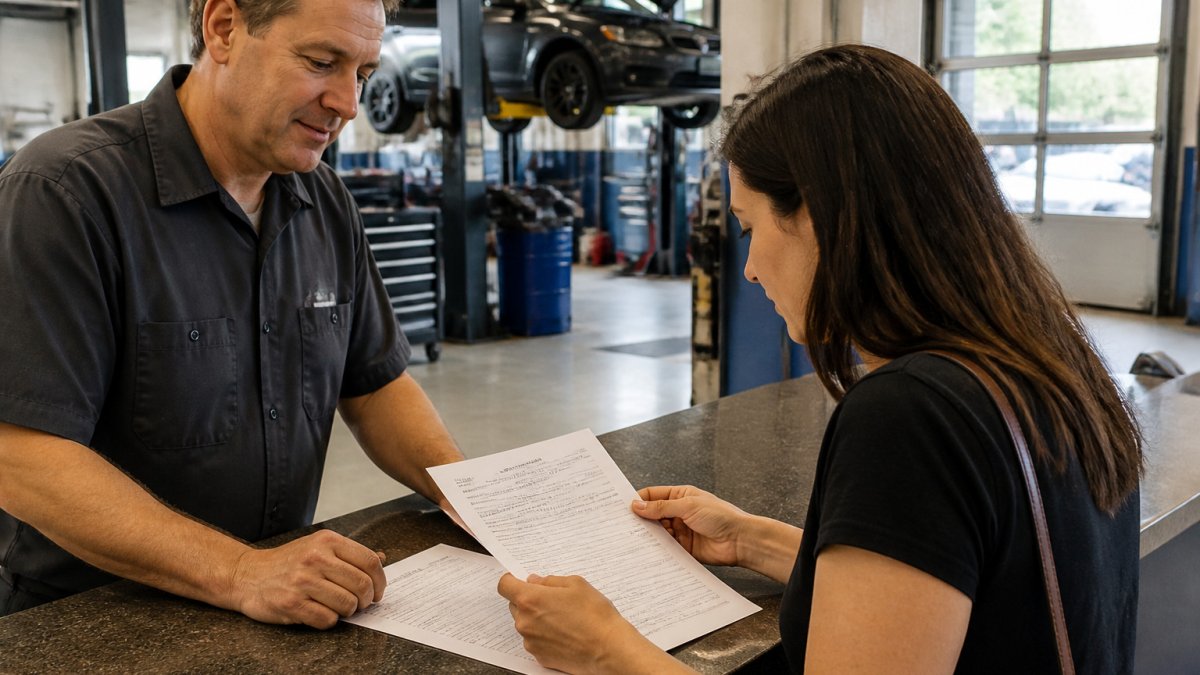
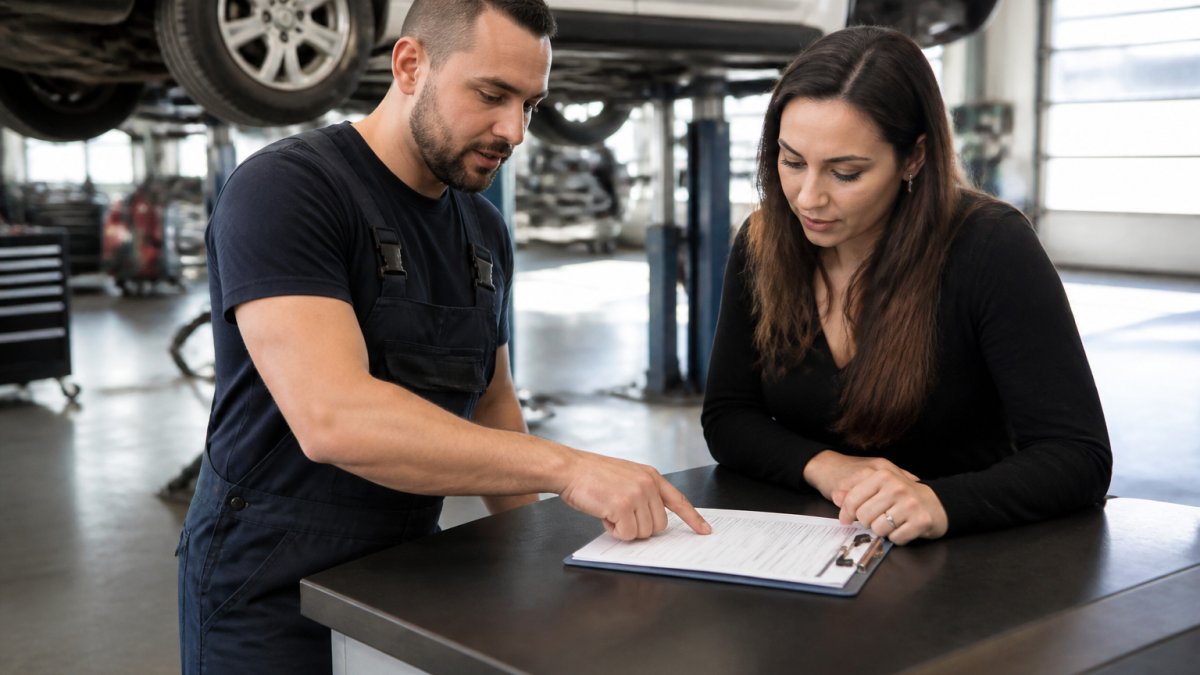
!A car owner at a service counter reviewing a printed repair invoice and warranty paperwork with a technician nearby in a clean independent auto shop
A trustworthy shop should explain its warranty in writing and answer questions plainly. Our guide to finding honest European auto repair lists steps for judging a shop's transparency before you sign. Euro Specialist backs its work with a warranty, so read the warranty terms in full before any repair begins.
What to Do When a Warranted Car Repair Fails
If a covered repair fails, the order of operations matters as much as the paperwork. Most warranties require you to return to the shop that performed the work first, so start there before contacting the provider or a regulator.
Step 1: Return to the performing shop. Ask the shop to diagnose the failure and put the diagnosis in writing, including the failed part, the cause of failure and whether the failure is related to the original repair.
Step 2: File the claim and get the denial in writing. If the shop or provider denies the claim, request the denial reason in writing and compare it against the contract's exclusion language.
Step 3: Compare the denial to the contract. Read the covered-components list, the exclusions and the 'caused-by' language side by side with the denial. If the denial relies on maintenance, pull the service records that show the maintenance was done.
Step 4: Escalate through the provider's internal process. Most providers have a formal appeals or review step. Ask for it in writing, submit your documentation package and keep a copy of everything you send.
Step 5: Use outside resources. Many states and consumer agencies accept complaints about warranty disputes. The Federal Trade Commission's consumer guidance on warranties is a reasonable starting point for understanding your rights.
The documentation standard. Disputes are resolved on the paper trail, not on memory. Keep a single folder, digital or paper, with the repair order, the warranty terms, every invoice, the written diagnosis, the denial letter and a log of every call, email and visit with dates and names.
Watch out: A shop that refuses to put a diagnosis or denial in writing is the hardest case to escalate.
Booking Your Next Repair With a Warranty You Can Read in Full
A warranty is only as useful as the shop behind it. Before you book, ask for the warranty terms in writing, confirm which parts and labor are covered, and confirm the length of coverage. Euro Specialist provides expert repair and maintenance for European vehicles, backed by a warranty on all of our work. Understanding that warranty fully before you approve a repair is important.
For diagnostics or a complex repair, schedule an appointment to have your vehicle assessed.
Frequently Asked Questions
What are two items typically not covered in a car warranty?
Routine maintenance such as oil changes, filters, and brake pad replacement is usually excluded, as is normal wear and tear on items like tires, wiper blades, and brake pads. Kelley Blue Book notes that manufacturer warranties cover defects in materials or workmanship for a set period or mileage, while excluding normal wear, accidents, and routine maintenance. Damage from accidents, misuse, or neglect is also typically excluded. Read the exclusions section of your contract before assuming a repair is covered.
Are auto repair warranties worth it?
It depends on the vehicle and the repair. The value of an extended warranty varies by plan. Compare the plan cost against the repairs you realistically expect, and check exclusions before buying. A repair warranty on a specific completed repair is a different product from a multi-year vehicle service contract.
How long does an auto repair warranty last?
Repair shop warranties are often stated in time and mileage, such as 12 months or 12,000 miles, but the exact term is set in the written warranty. Manufacturer warranties are fixed by the automaker and vary by component. Extended vehicle service contracts usually run for a set number of years or miles beyond the factory coverage. Always check the coverage term on your invoice and warranty document.
What should I do if a repair covered by a warranty fails?
Stop driving the vehicle if it is unsafe, then contact the shop that performed the repair first and provide your invoice and warranty paperwork. Ask for a written diagnosis. If the shop will not resolve it, document the dates, mileage, and communications, and contact the warranty provider or your state consumer protection office. Keeping service records makes a warranty claim much easier to validate.
Does an auto repair warranty cover both parts and labor?
Many repair warranties cover both parts and labor for the specific repair performed, but this is not universal. Some warranties cover only the replaced part, while others cover labor only for a limited period. Check whether diagnostic fees, sublet repairs, and related parts are included. Euro Specialist backs its work with a warranty.
Can a repair shop warranty work done by another shop?
Generally, a repair warranty covers only the work performed by the shop that issued it. If another shop replaces the same part or fixes a related problem, the original warranty may not apply, and it may be voided if unauthorized work affected the repair. Bring your warranty paperwork to any shop before work begins, and ask them to confirm in writing what they will and will not cover.