 ultimate-guide
What an Automotive Repair Warranty Covers
Last Updated: October 30, 2026
Quick Summary
An automotive repair warranty is a written promise that a specific repair, part, or service will perform as described for a set period, and that the shop will fix it if it fails. Most repair warranties cover both the replacement part and the labor to install it again, but not every one does, so confirm the parts-and-labor clause in writing before you authorize work.
- A vehicle warranty covers the car itself, while a repair shop warranty covers only the work that shop performed.
- Parts-only coverage replaces the failed component but leaves you paying the technician's labor time.
- Common exclusions include wear and tear, customer-supplied parts, neglect, and consequential damage.
- Keep every maintenance receipt, since skipping scheduled service is the fastest way to void a repair warranty.
- Call the shop as soon as a symptom appears and bring the original repair invoice and warranty document.
Table of Contents
- What an Automotive Repair Warranty Actually Covers
- Auto Repair Warranty Parts and Labor: What Gets Paid
- Auto Repair Warranty Exclusions You Should Expect
- Repair Shop Warranty Length: Time, Mileage, and Lifetime Terms
- How to Claim an Auto Repair Warranty Without a Fight
- How to Verify Coverage Before You Authorize Work
- Schedule Your Warranty-Backed Repair Appointment
- Frequently Asked Questions
What an Automotive Repair Warranty Actually Covers
An automotive repair warranty is a written promise that a specific repair, part, or service will perform as described for a set period, and that the shop will fix it if it fails. According to IBISWorld's industry analysis, the U.S. auto extended warranty provider industry reached a market size of $42.3 billion in 2026, which tells you how much money moves through coverage products that most drivers never read closely.
Repair Shop Warranty vs. Vehicle Warranty
These are not the same product, and confusing them is the most common mistake we see.
A vehicle warranty comes from the manufacturer or a third-party provider and covers the car itself: the engine, transmission, drivetrain, and other named components, usually for a stated term or mileage.
The Federal Trade Commission's guidance on auto warranties and service contracts draws a related line: a vehicle service contract is a separate agreement from a manufacturer's warranty, and what it pays for depends entirely on its terms.
If you are weighing where to have work done, it helps to understand how independent European repair differs from dealership service before you authorize anything.
Auto Repair Warranty Parts and Labor: What Gets Paid
Most repair warranties cover both the replacement part and the labor to install it again, but not every one does. That single distinction decides whether a comeback repair costs you nothing or costs you a full labor bill.
Covered repairs typically include the part itself, the labor to remove and replace it, and sometimes related fluids or gaskets consumed during the job.
Parts-Only vs. Parts-and-Labor Coverage
Parts-only coverage replaces the failed component but leaves you paying the technician's time.
Ask the advisor to point to the sentence in the warranty document that states which applies. If nobody can find it, assume parts-only until proven otherwise. A shop that cannot locate the clause in under a minute is signaling that the warranty is not a document it manages closely.
What a Strong Parts-and-Labor Warranty Should Spell Out
A written repair warranty that genuinely covers parts and labor should answer five questions without you having to ask:
- Is the diagnostic fee waived on a covered comeback? Many shops charge a second diagnostic fee even when the repair is warrantied, which can turn a "free" recheck into a $150-$250 visit.
- Are related fluids and gaskets included? A water pump replacement consumes coolant; a valve cover gasket job consumes oil and a gasket. Confirm whether those consumables ride along with the covered repair.
- Is towing or roadside assistance included? Most shop warranties exclude it, but some extended service contracts bundle it. Know which product you hold.
- Does the warranty cover the replacement part's own manufacturer warranty? A new alternator may carry a 24-month parts manufacturer warranty separate from the shop's labor promise. The two can run on different clocks.
If you are comparing a dealership quote against an independent shop, the parts-and-labor terms are often where the real cost difference hides, not in the headline price of the job.
Auto Repair Warranty Exclusions You Should Expect
Exclusions are where most denied claims originate, and nearly all of them are standard rather than sneaky. Knowing them in advance keeps you from authorizing work under a false assumption, and knowing how a shop proves each one tells you what documentation to keep.
The California Bureau of Automotive Repair's guidance on warranties and disclaimers notes that repair warranties commonly specify a time limit, a mileage limit, or both. Expect these exclusions in most shop warranties:
- Wear and tear on consumable items such as brake pads, belts, and filters. These parts are designed to wear out, so a warranty on them would be a warranty on normal use.
- Pre-existing conditions or damage caused by a separate, unrelated failure. If a leaking seal was already seeping when the repair was authorized, the shop can show the new failure traces to the old condition.
- Customer-supplied parts, which most shops will not warranty at all. The shop did not choose the part, cannot verify its source, and will not stake its labor on it.
- Damage from neglect, overheating, or missed routine maintenance. This is the most common denial reason and the easiest for a shop to document.
- Consequential damage, meaning a failed part that takes other components with it. A failed water pump that warps a cylinder head is the classic example: the pump may be covered, the head is not.
How a Shop Actually Proves Neglect
A denial for neglect is not a vibe, it is a documented finding. The shop will typically point to one of three things: a service record showing a missed factory-scheduled interval, physical evidence such as sludge in the oil pan or a clogged cabin filter that shows deferred maintenance, or a diagnostic reading consistent with overheating or low fluid. That is why the single most effective thing you can do to protect a repair warranty is to keep every maintenance receipt and bring them to the comeback visit.
Consequential Damage in Plain Terms
Consequential damage is the exclusion drivers understand least and dispute most. The rule is simple: the warranty covers the part the shop replaced, not the parts that part damaged when it failed. If a warrantied tensioner fails and the timing belt jumps, the tensioner may be covered and the bent valves likely are not. Read the consequential-damage clause before you authorize a repair on any component that sits upstream of expensive parts, timing components, oil pumps, and water pumps are the usual suspects.
What to Do If You Think a Denial Is Wrong
If the shop denies a claim and you believe the failure is tied to the original repair, ask for the inspection findings in writing, including the specific exclusion being cited and the evidence supporting it. A documented, symptom-based challenge gets resolved far more often than a vague complaint. If the shop will not put the denial in writing, escalate to your state consumer protection office or local consumer affairs agency, the paper trail is what moves a dispute forward.
Repair Shop Warranty Length: Time, Mileage, and Lifetime Terms
Repair shop warranty length varies widely by shop and by job. Some shops offer shorter windows on certain repairs; a few advertise lifetime coverage on specified parts.
Time-or-mileage warranties cover parts or repairs for a stated period or distance, while lifetime terms almost always attach to a narrow list of components, not the whole car.
| Warranty Type | Typical Term | What It Usually Covers | Watch For |
|---|---|---|---|
| Time-or-mileage | 12 months / 12,000 miles | Part and labor on the specific repair | Whichever limit hits first |
| Extended shop term | 24 months | Major repairs only | Narrow component list |
| Lifetime | As long as you own it | Specified parts and service | Excludes wear items |
| Parts-only | Varies | Replacement component | You pay labor |
Get the term in writing before you sign, and note the mileage on your odometer that day.
How to Claim an Auto Repair Warranty Without a Fight
A claim goes smoothly when you bring documentation and describe symptoms rather than diagnoses. The repair invoice is the document that starts everything, so keep it.
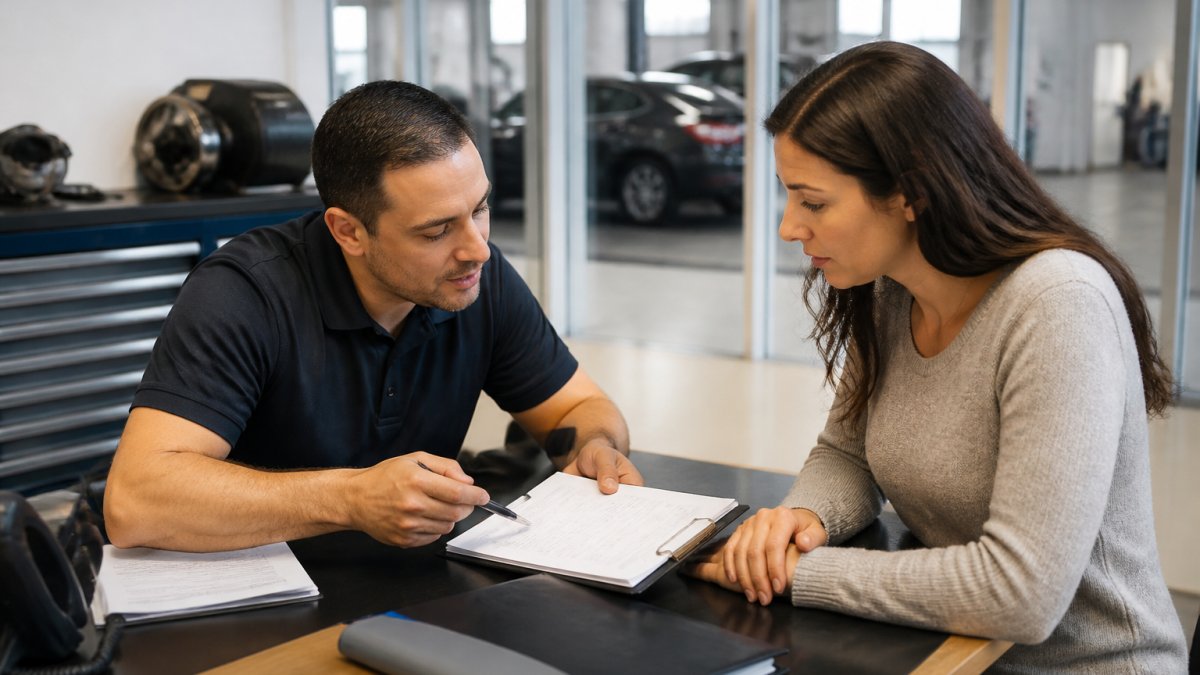
Follow this sequence:
- Call the shop as soon as the symptom appears, before driving further or visiting another garage.
- Bring the original repair invoice and your warranty document.
- Describe what the car is doing, not what you think failed.
- Let the shop inspect and document the failure before authorizing anything.
- Get the claim decision, and the reason if denied, in writing.
A comeback repair tied to the original work is generally handled by returning to the original shop rather than a new one.
If a repair fails again and the shop disputes it, ask for the inspection findings in writing and escalate to the state consumer protection office or your local consumer affairs agency.
How to Verify Coverage Before You Authorize Work
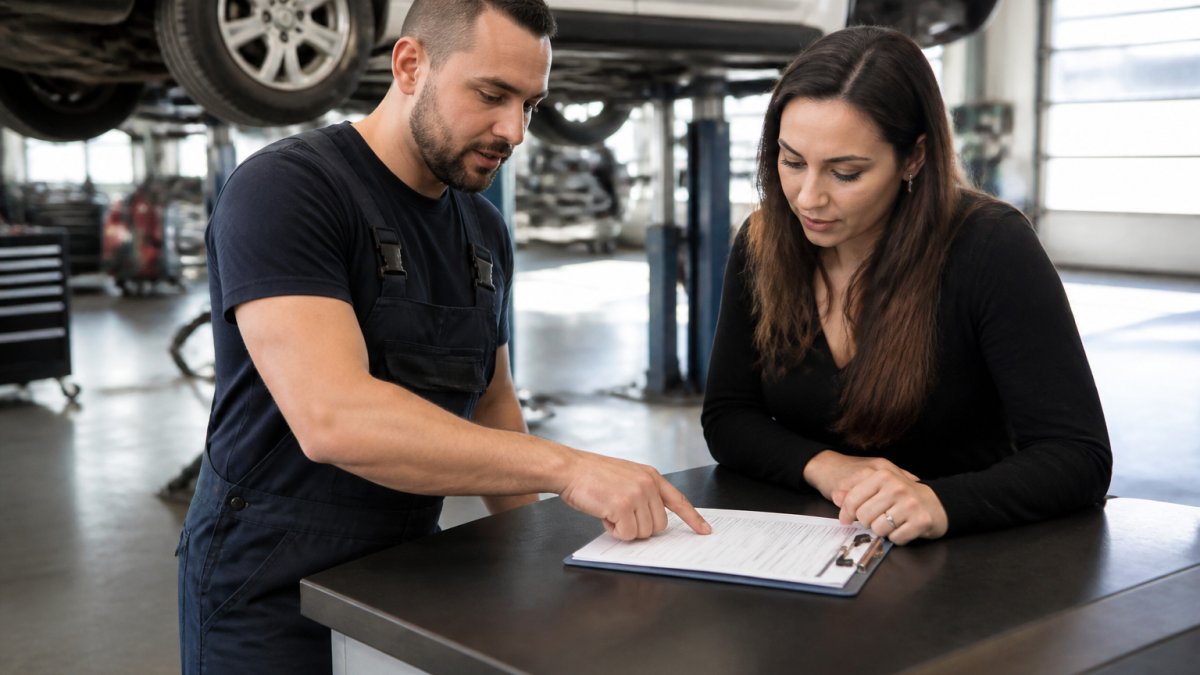
Verification happens before the repair, not after, and it takes about two minutes at the counter. Ask three questions and get three answers in writing.
- What exactly is covered: parts only, or parts and labor?
- What is the term: how many months, how many miles, whichever comes first?
- What voids it: which maintenance or conditions must you meet?
Then confirm the maintenance side. Factory-scheduled services often must be performed to keep coverage valid. You can check and book scheduled maintenance that keeps your warranty coverage intact. Review your factory maintenance schedule before you authorize work.
Schedule Your Warranty-Backed Repair Appointment
Coverage only matters when the shop stands behind the work, which is why every repair at Euro Specialist is warrantied. Our master-certified technicians work across all European makes, and every repair is warrantied. Whether you need brake service or a routine oil change, every repair is backed by a warranty. Get started with Euro Specialist and drive away knowing exactly what protects your repair.
Frequently Asked Questions
What does an automotive repair warranty cover?
An automotive repair warranty covers the specific repair work a shop performed, usually parts and labor, for a set time or mileage period. If the same component fails again under normal use, the shop repairs or replaces it at no charge. It does not cover unrelated systems, routine maintenance, or wear items. Always ask for the covered components and term in writing before you authorize work, because coverage depends entirely on the written terms.
Does an auto repair warranty cover parts and labor, or just parts?
It depends on the shop's written policy. Many independent shops offer parts and labor coverage, meaning both the replacement component and the installation are covered if the repair fails. Some warranties are parts-only, which leaves you paying the labor for a second installation. Before authorizing a repair, ask which structure applies and get the answer on the invoice. Parts and labor coverage is the stronger protection for your wallet.
How long do auto repair warranties usually last?
Repair shop warranty length varies widely. Some shops offer shorter windows, and others advertise lifetime coverage on specified work. Time-or-mileage warranties run for a stated period or distance, while lifetime terms usually cover specified parts. Confirm your term in writing.
What should I do if a repair fails while it is under warranty?
Stop driving if the failure affects safety, then contact the shop that did the work before taking it anywhere else. Bring your original repair invoice and any warranty paperwork. Returning to the original shop matters because the comeback repair is tied to the first job. Do not authorize a second shop to redo the job first, since that can complicate the claim.
Can a repair warranty be voided?
Yes. Auto repair warranty exclusions typically include damage from accidents, misuse, overheating, racing, or unauthorized work by another shop. Skipping recommended maintenance or ignoring a warning light can also give a shop grounds to deny a claim. Keep your maintenance records, follow the shop's recommendations, and avoid letting a third party touch the warranted repair. The written policy lists the exact conditions that void coverage.
Is a repair shop warranty different from a vehicle warranty?
Yes, and the distinction matters. A vehicle warranty, such as a manufacturer's warranty or an extended vehicle service contract, covers the car itself for a broad list of components. A repair shop warranty covers only the work that shop performed. Service contracts are generally separate agreements from warranties, and coverage depends on the contract's terms. Ask which type you are being offered before you sign.