 how-to
When to Replace European Car Brakes: A Complete Guide
Table of Contents
- Understanding European Car Brake Service Intervals
- Signs of Worn Brake Pads You Cannot Ignore
- When European Car Brake Rotor Replacement Becomes Necessary
- How to Inspect Your Brakes Safely at Home
- Factors That Accelerate Brake Pad and Rotor Wear
- Understanding European Car Brake Replacement Cost and What Affects It
- What to Do If Your Brakes Show Urgent Warning Signs
- Frequently Asked Questions
Last Updated: October 17, 2026
Understanding European Car Brake Service Intervals
Knowing when to replace European car brakes depends on your vehicle's make and model. BMW, Mercedes-Benz, Audi, and Porsche build precise brake systems, but they don't last forever.
Follow your manufacturer's service schedule.
Several variables change when you actually need to replace European car brakes. City driving with frequent stops wears pads faster than highway cruising.
The brake system itself influences timing. Most European luxury vehicles use advanced friction materials that generate less dust and noise but wear at their own pace.
Signs of Worn Brake Pads You Cannot Ignore
Worn brake pads send clear warning signals. The first is often a high-pitched squeal when you brake, caused by a wear indicator, a small metal tab designed to make noise when pads thin out. Don't ignore it; the squeal means your pads are near their limit.
Grinding is more serious: metal is rubbing on metal because pads have worn through completely and the backing plate scrapes the rotor. This damages both components and reduces braking effectiveness. Stop driving and get professional inspection immediately.
Dashboard Warning Lights and Wear Sensors
Most modern European vehicles have electronic brake wear sensors. When pads thin to a critical point, the sensor triggers a dashboard warning light reading "Service Brake System" or showing a brake symbol.
The brake warning light means pads need replacement soon, typically 500 to 1,000 miles of safe driving remain. Schedule service within the week; ignoring it risks brake failure and safety issues.
Some European cars use multiple sensors, front, rear, or both, and a sensor failure can trigger a warning even if pads are fine.
Noise, Pedal Feel, and Performance Changes
Beyond warning lights, pay attention to how your brakes feel and sound.
Changes in braking performance matter too. If your car takes longer to stop or requires harder pedal pressure, worn pads might be the cause. Some European vehicles have brake assist systems that compensate for worn pads, masking the problem.
Listen for unusual noises beyond the expected squeal. Clicking, creaking, or groaning during braking can indicate pad wear, loose components, or rotor damage. Professional inspection identifies the exact cause.
When European Car Brake Rotor Replacement Becomes Necessary
Brake rotors last longer than pads, but they don't last forever. Many European car owners assume they only need pads replaced. That's often wrong. Worn pads damage rotors. Once damage occurs, rotors must be replaced.
Rotors wear through friction and heat cycling. Every brake application brings the pad against the rotor surface, and over thousands of miles this creates a thin layer of wear. Severely worn pads concentrate pressure on smaller rotor areas, accelerating damage and causing scoring, deep grooves in the rotor face.
Rotor Thickness Thresholds and Scoring
European rotors have minimum thickness specifications, for most European luxury vehicles between 0.315 and 0.375 inches, depending on model, with the exact figure in your service manual.
Scoring appears as visible grooves across the rotor surface. Light scoring sometimes allows resurfacing, but deep scoring requires replacement.
Rust and corrosion matter too. European cars in humid climates develop surface rust between drives; light surface rust cleans off during normal braking, but heavy rust or pitting indicates rotor degradation and compromises braking performance, so pitted rotors should be replaced.
Replacing Pads and Rotors Together
This is where many owners make expensive mistakes. You can replace pads alone, the question is whether you should.
Severely worn pads damage rotors, and new pads against damaged rotors create uneven contact and poor braking, noise, vibration, inconsistent stopping power.
If you catch pad wear early during routine inspection, you might replace pads alone and keep good rotors, saving money.
At Euro Specialist, we measure rotor thickness and inspect surface condition during every brake inspection and repair to determine whether rotors can be saved or must be replaced.
How to Inspect Your Brakes Safely at Home
A basic brake inspection reveals pad thickness and obvious rotor problems in about 30 minutes with minimal tools. Safety comes first, so follow these steps carefully.
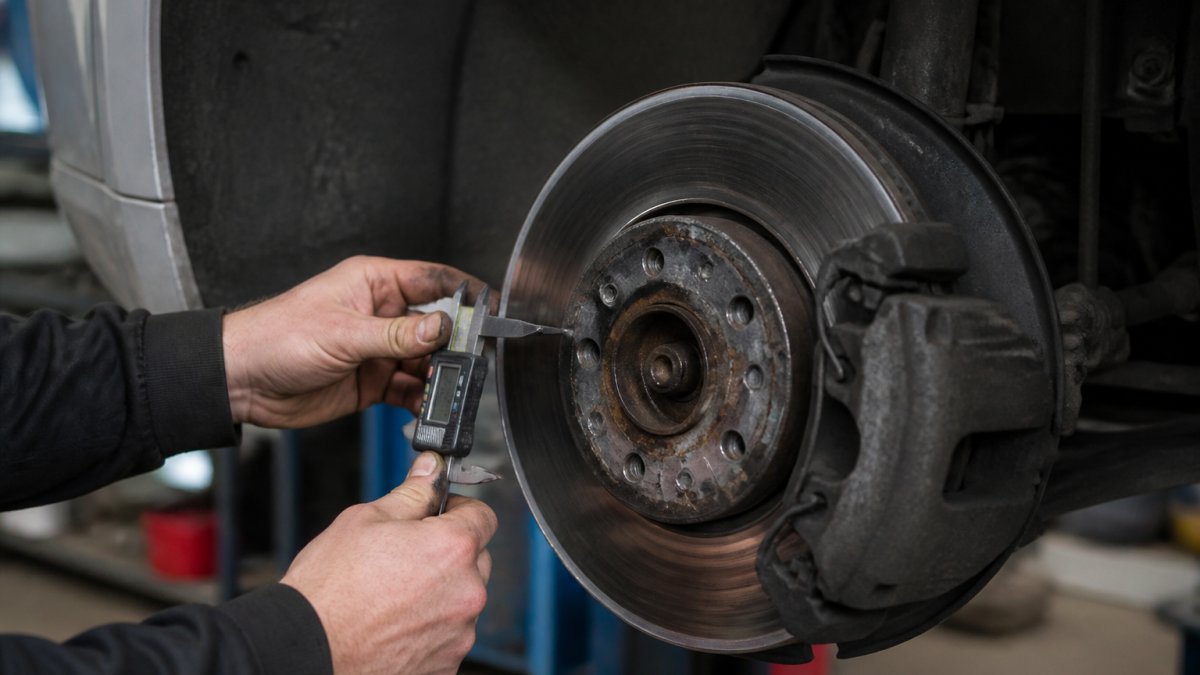
Step 1: Gather Your Tools and Prepare
You need:
- Jack and jack stands (never rely on a jack alone)
- Lug wrench
- Flashlight or work light
- Caliper or ruler for thickness measurement
- Wire brush for cleaning
Park on level ground. Engage the parking brake. Loosen lug nuts before raising the vehicle. Raise one wheel at a time using a jack. Secure the vehicle with jack stands before working underneath. Never work under a vehicle supported only by a jack.
Step 2: Remove the Wheel and Examine Pad Thickness
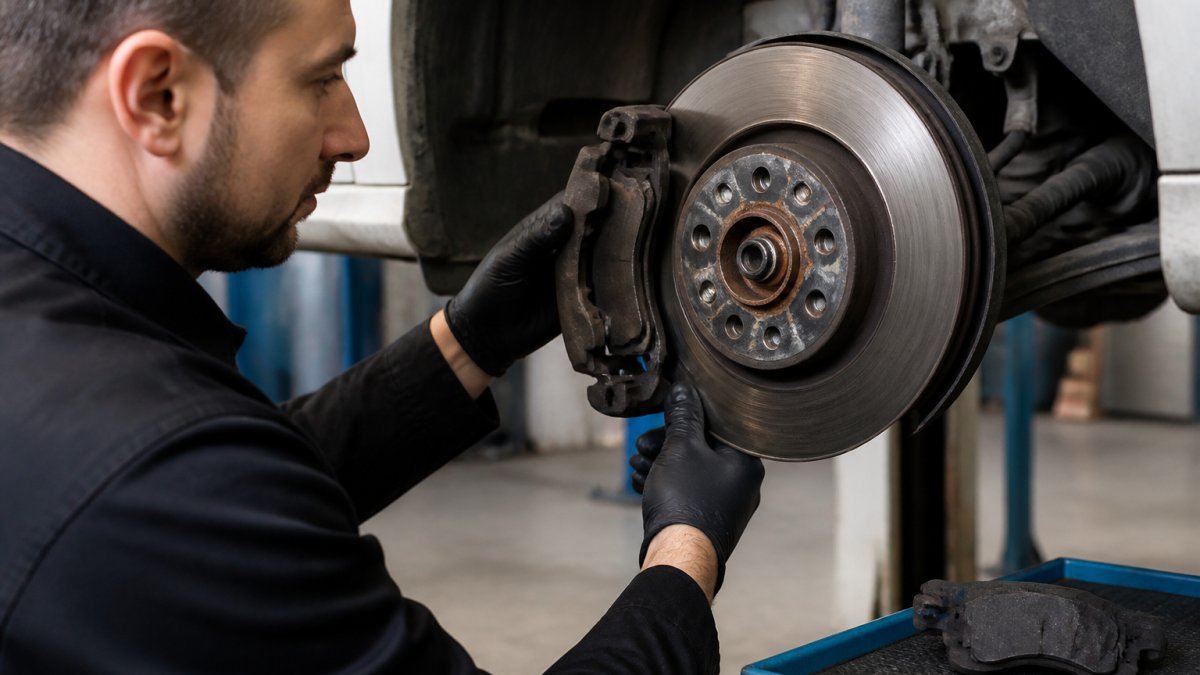
Remove the lug nuts and wheel, then look at the brake caliper. The pad sits sandwiched between caliper and rotor, appearing as dark friction material bonded to a metal backing plate.
Measure the friction material only, not the backing plate. Most European pads should be at least 0.25 inches thick; below 0.125 inches they're critically worn and need immediate replacement, and between 0.125 and 0.25 inches they should be replaced soon.
Look for uneven wear. If one pad is thinner than the other, the caliper isn't applying pressure evenly, a problem requiring professional diagnosis and repair beyond simple pad replacement.
Step 3: Check Rotor Condition and Measure Thickness
Inspect the rotor surface closely. Run your finger across it gently. You should feel a smooth surface with minimal texture. Deep grooves or heavy scoring indicate rotor damage. Light surface rust is normal and not a concern.
Measure rotor thickness at the thinnest point. Use a caliper if you have one, or take measurements to a shop for verification. Compare your measurement to your vehicle's specification in the owner's manual.
Look at the rotor edges. Rust or discoloration at the edges is normal. Cracks or chunks missing from the rotor surface require immediate professional attention.
Step 4: Test Brake Pedal and Listen for Noise
Before lowering the vehicle, press the brake pedal several times with the engine off. The pedal should feel firm and return to its resting position quickly. A soft or spongy pedal indicates fluid or air issues.
Start the engine and apply brakes gently. Listen for any unusual sounds. Squealing, grinding, or clicking should be noted and reported to your technician. Take the vehicle for a short test drive on a quiet road. Apply brakes at various speeds. Note any vibration, noise, or unusual pedal feel.
Factors That Accelerate Brake Pad and Rotor Wear
Not all European car owners experience the same brake wear rates. Driving habits and conditions create dramatic differences in replacement timing.
Driving Habits and Conditions
City driving accelerates brake wear significantly. Frequent stops, traffic congestion, and constant speed changes create continuous friction and heat.
Performance driving or aggressive braking wears pads and rotors quickly. Hard stops generate extreme heat. This degrades friction material faster and stresses rotors. Towing also accelerates wear.
Mountainous terrain demands constant braking on descents. This sustained braking heats rotors to dangerous temperatures. Brake fade, reduced stopping power from overheating, becomes a risk.
Wet and salty road conditions accelerate rotor corrosion. Salt spray attacks metal surfaces. Moisture promotes rust.
Vehicle Weight and Performance Demands
Heavier European vehicles wear brakes faster than lighter models. A loaded Mercedes SUV stresses the brake system more than a lightweight BMW sports car. The same applies to towing.
Performance vehicles with high-horsepower engines create unique brake demands. Stopping from higher speeds requires more braking force. Performance driving includes repeated hard braking events. This accelerates wear compared to normal driving patterns.
Brake type matters too. Larger performance brake systems on high-end European vehicles sometimes wear faster due to their design and the driving patterns of their owners.
Understanding European Car Brake Replacement Cost and What Affects It
Brake service costs vary dramatically based on what needs replacing and which European brand you drive.
Pad-Only Versus Full Brake System Work
Pad replacement alone is the least expensive option. For most European vehicles, expect to budget for quality pads and labor. The exact cost depends on your vehicle's make and model.
Full brake system work includes pads, rotors, and fluid service. This costs more but addresses underlying problems. Replacing pads on damaged rotors creates problems. Full system work prevents this.
Brake fluid service is often overlooked but important. Brake fluid absorbs moisture over time. Old fluid reduces braking performance and can cause corrosion inside brake lines. European manufacturers recommend fluid service every two to three years.
When Professional Inspection Is Necessary
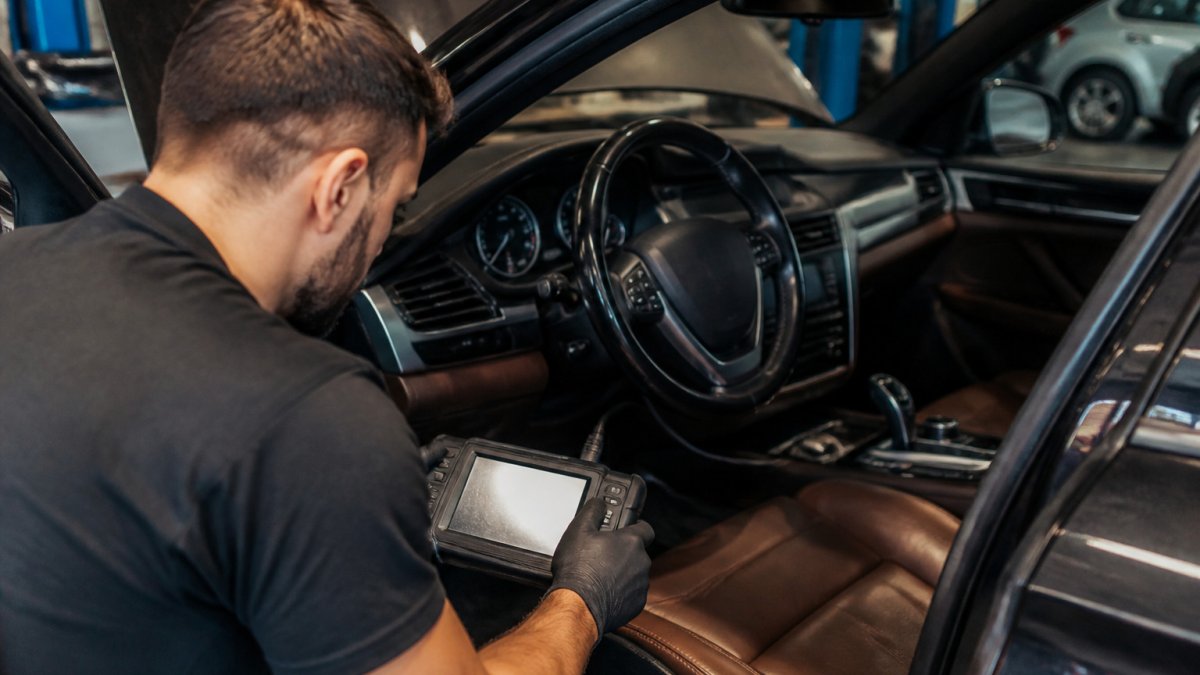
DIY inspection reveals obvious problems, but it misses subtle issues. Professional technicians use diagnostic tools that detect problems you cannot see. Electronic brake systems on European vehicles require specialized knowledge.
Professional inspection includes:
- Caliper function assessment
- Brake line condition evaluation
- ABS system diagnostics
- Brake fluid analysis
- Rotor run-out measurement
Run-out measurement detects rotor warping. A warped rotor causes vibration during braking even if thickness is acceptable. Professionals measure this precisely. Your at-home inspection cannot.
At Euro Specialist, our master-certified technicians perform complete brake diagnostics using specialized equipment. Regular preventative maintenance keeps your braking system in top condition and catches wear before it becomes critical.
What to Do If Your Brakes Show Urgent Warning Signs
Certain brake symptoms demand immediate action. Don't delay or hope they improve.
If your brake pedal feels soft or sinks to the floor, stop driving immediately.
Grinding noises mean metal-to-metal contact. Pads are completely worn. Stop driving and arrange immediate service.
If your brake warning light appears along with unusual sounds or pedal changes, get professional diagnosis within 24 hours.
Brake fade during hard braking indicates system stress. If brakes feel less responsive after repeated hard stops, professional inspection is essential.
When in doubt, err on the side of caution. Brakes are safety-critical.
Frequently Asked Questions
How do I know when my European car needs new brakes?
Watch for brake warning lights on your dashboard, squealing or grinding noises, a soft or spongy brake pedal, or reduced stopping power. You can also visually inspect brake pads through the wheel, if they appear thinner than 3 millimeters, replacement is due soon. Professional inspection confirms wear and identifies rotor damage that may not be obvious to the eye.
What are the typical signs of worn brake pads on European cars?
Common signs include high-pitched squealing (especially when braking lightly), a grinding sound that suggests metal-to-metal contact, a brake warning light illuminated on your dashboard, increased stopping distance, or a brake pedal that feels softer than normal. Some European vehicles have electronic wear sensors that trigger a warning earlier than audible noise appears, so don't wait for squealing to act.
How often should European car brakes be inspected professionally?
Most manufacturers recommend a brake system inspection every 12 months or 15,000 miles, whichever comes first. However, if you drive in city conditions with frequent hard braking, towing, or performance driving, inspect every 6 months or 10,000 miles. Your vehicle's service schedule provides specific intervals; following it prevents emergency brake failures and extends rotor life.
Do I need to replace rotors every time I replace brake pads?
Not always. If rotors measure above the manufacturer's minimum thickness (typically 2 to 3 millimeters depending on the model), show no scoring or rust, and have even wear, pads alone may suffice. However, if rotors are thin, scored, or warped, replacing pads and rotors together ensures balanced braking, prevents noise, and avoids premature pad wear. A professional inspection determines what your specific vehicle needs.
Your European vehicle's brakes deserve expert attention. Warning signs like grinding, soft pedals, or dashboard lights indicate it's time for professional evaluation. Euro Specialist's master-certified technicians specialize in European brake systems and provide honest, comprehensive diagnostics. Schedule your brake inspection today and drive with confidence knowing your brakes are in expert hands.