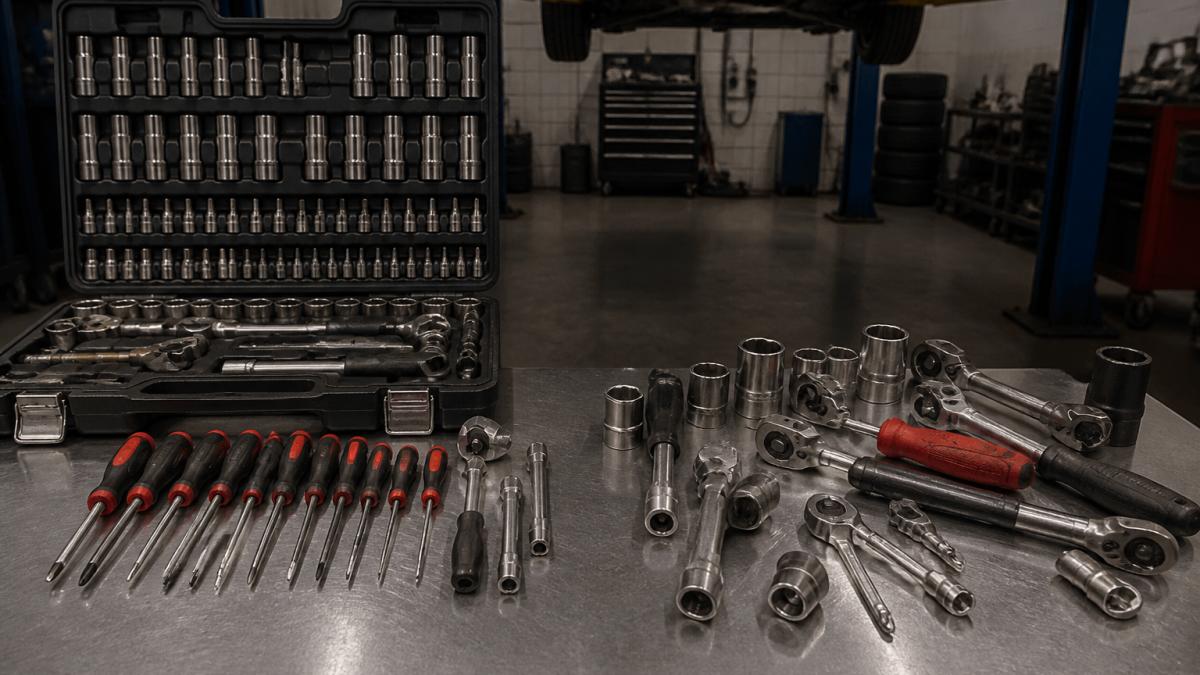
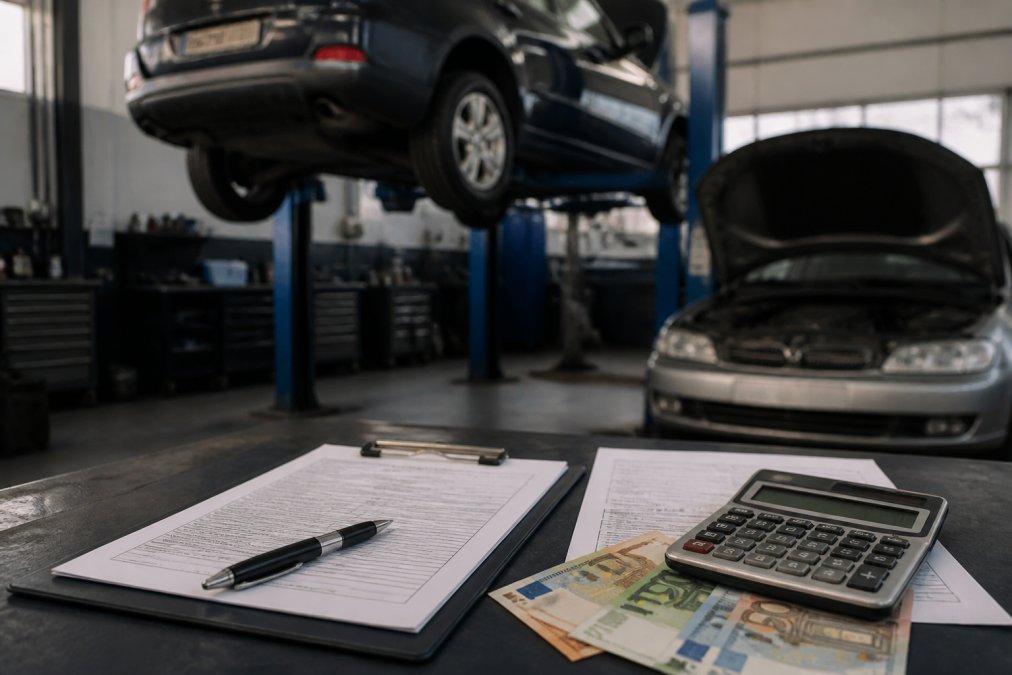
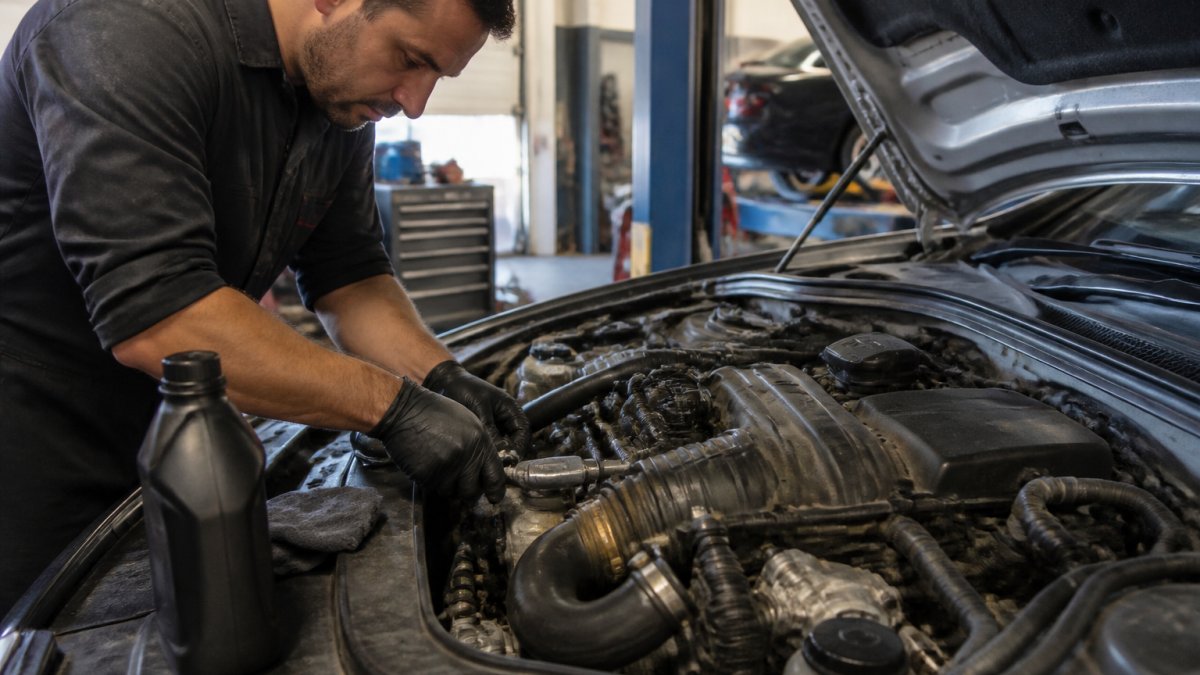
 comparison
Is High Mileage Service Worth the Cost?
Last Updated: October 26, 2026
Quick Summary
High mileage service is worth the cost for most drivers when the package covers real inspection work rather than a rebranded oil change. A full package typically runs two to three times the price of a basic oil service, but catching one worn belt, weak battery or brake set within the year usually pays it back.
- A high mileage service is typically defined as a bundled inspection and replacement program for vehicles past roughly 75,000 to 100,000 miles.
- Ask for brake pad thickness in millimeters, tire tread depth and battery cold cranking amps in writing.
- The General's 2026 data reports vehicle services ranging from $296 to $474, while ConsumerAffairs puts annual upkeep at roughly $400 to $1,200.
- If a repair costs less than or around half the vehicle's value, it usually makes sense to proceed.
- Decline fluid flushes and additives the manufacturer's schedule does not call for.
Table of Contents
- What High Mileage Service Actually Includes
- High-Mileage Service Cost: What You Are Really Paying For
- The 100,000-Mile Maintenance Checklist
- Preventive Maintenance for High-Mileage Cars: What Pays Back
- High-Mileage Car Repair vs. Replacement: Running the Numbers
- Fluid Flushes and Additives: What the Evidence Supports
- Scheduling High Mileage Service at Euro Specialist
- Frequently Asked Questions
What High Mileage Service Actually Includes
Is high mileage service worth the cost? For most drivers, yes, provided the package covers real inspection work rather than a rebranded oil change. A high mileage service is typically defined as a bundled inspection and replacement program for vehicles past roughly 75,000 to 100,000 miles, built around your manufacturer's service interval rather than a generic menu. Such a package should include a full fluid assessment, brake and tire measurement, belt and hose inspection, battery load testing, and a scan for stored fault codes.
The Checks That Separate a Real Package From an Oil Change
A genuine package documents measurements, not just visual glances. Ask for brake pad thickness in millimeters, tire tread depth, and battery cold cranking amps. If a shop cannot show you numbers, you are paying for an oil change with a nicer name.
High-Mileage Service Cost: What You Are Really Paying For
High-mileage service cost reflects labor hours and parts, and the spread is wide. The General's 2026 vehicle maintenance cost data reports vehicle services ranging from $296 to $474, while ConsumerAffairs maintenance cost estimates put annual upkeep at roughly $400 to $1,200. The difference between quotes usually comes down to what is inspected versus what is replaced. For a deeper breakdown of dealership versus independent pricing, see our comparison of dealership and independent European car maintenance, and if you want to avoid padded invoices, read our guide to avoiding unnecessary upsells at auto shops.
What Each Tier Actually Buys You
| Service Tier | Typical Scope | What Drives the Price | What It Realistically Prevents |
|---|---|---|---|
| Basic | Oil change, visual check, tire pressure | Oil grade, filter type | Sludge buildup and premature engine wear |
| Mid-level | Fluids topped, brakes measured, battery tested | Labor hours, fluid volume | Brake fade, coolant breakdown, no-start battery failures |
| Full package | All above plus belts, hoses, scan tool report | Parts replaced, diagnostic time | Belt and hose failures, missed fault codes that cascade into larger repairs |
A basic oil service is the cheapest line item but the least diagnostic. The full package costs more up front because it pays for measurement and documentation, brake pad thickness in millimeters, tire tread depth, battery cold cranking amps, and a scan tool report, which is what lets a shop catch a $150 problem before it becomes a $900 one.
The Break-Even Math
The practical question is not whether the package costs more than an oil change; it is whether the package costs less than the repairs it helps you avoid. A common pattern is that a full high-mileage package runs roughly two to three times the price of a basic oil service, while a single missed belt or coolant failure can cost several times the package price in parts and labor. If the package surfaces one worn belt, one weak battery, or one brake set that would have failed within the year, it has typically paid for itself. If it surfaces nothing and the vehicle is otherwise sound, you have bought documentation and peace of mind, a legitimate but different value.
Questions That Expose a Padded Estimate
- Which items are inspections and which are replacements?
- Are the fluids specified by the manufacturer's schedule or added as prevention?
- Will you show me the measurements before recommending a replacement?
- Does the price include the scan tool report, or is diagnostics billed separately?
If a shop cannot separate inspection from replacement, the estimate is not a cost-benefit comparison, it is a menu. Our scheduled maintenance service provides clear communication regarding inspections and replacements.
The 100,000-Mile Maintenance Checklist
A 100,000-mile maintenance checklist is the list of inspections and replacements a vehicle should receive at that threshold, and skipping items on it is how small repairs become expensive ones. A 100,000-mile maintenance checklist typically includes:
- Engine oil and filter, with oil consumption noted
- Transmission fluid condition and level
- Coolant strength and cooling system pressure test
- Brake pads, rotors, and fluid moisture content
- Tire tread depth and suspension play
- Serpentine belt, hoses, and clamps
- Spark plugs and ignition components
- Battery load test and charging system output
- Scan tool report for stored and pending codes
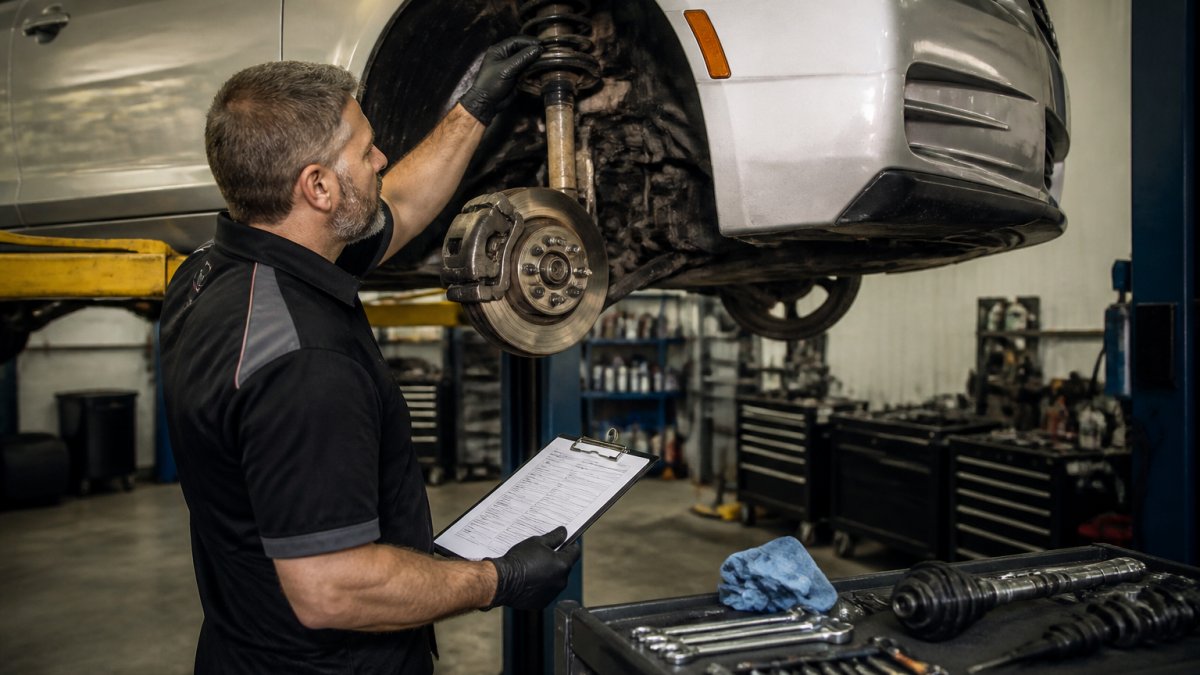
If you are interested in scheduled maintenance, you can book scheduled maintenance with our team.
Preventive Maintenance for High-Mileage Cars: What Pays Back
Preventive maintenance for high-mileage cars pays back when it targets wear items before failure, not when it adds treatments the manufacturer never asked for. Simply Fleet's analysis of vehicle mileage and repair costs notes that a well-maintained high-mileage vehicle can be more reliable and cost-effective than a neglected low-mileage one, and that maintenance history and condition matter more than the odometer. In practice, the highest-return items are oil changes on schedule, brake inspections, coolant service, and battery testing. Our preventive maintenance service is built around exactly those priorities.
A Mileage-and-Symptom Decision Framework
Mileage alone is not a diagnosis. Use the odometer as a prompt to check, and use symptoms and service history to decide. The framework below turns general advice into a decision you can make at the service counter.
| Mileage Band | What to Check First | Decide to Service When | Decide to Defer When |
|---|---|---|---|
| 75,000-100,000 | Fluids, brakes, battery, belts | Manufacturer interval is due or measurements are near spec limits | Recent documented service and measurements are within spec |
| 100,000-150,000 | Above plus spark plugs, coolant, transmission fluid condition | Plugs are original, coolant is original, or shift quality has changed | Records show recent replacement with correct spec fluids |
| 150,000+ | Above plus suspension play, hoses, charging system | Any symptom (noise, leak, hard start, vibration) or unknown history | Full records, clean inspection, and no symptoms |
The Symptoms That Outrank the Odometer
- Hard start or slow crank: battery and charging system first; a load test is cheap and decisive.
- Brake noise or longer stopping distance: measure pad thickness and rotor condition before approving a full brake job.
- Coolant smell or low reservoir: pressure test the system; a small leak is far cheaper than a head gasket repair.
- Transmission shudder or delayed engagement: check fluid condition and level against the manufacturer's procedure before agreeing to a flush.
- Vibration or clunk over bumps: suspension and tire inspection; worn bushings and struts affect tire wear and safety.
What Pays Back, in Order
- Oil and filter on schedule, the cheapest protection against the most expensive failure.
- Brake inspection with measurements, catches wear before rotors and calipers are involved.
- Coolant service at the specified interval, protects the water pump, radiator, and heater core.
- Battery load test, a no-start is the most preventable roadside failure.
- Belt and hose inspection, a failed belt strands the vehicle; a failed hose can overheat the engine.
Everything beyond this list should be justified by a measurement, a symptom, or a line in the owner's manual. If it is not, it is optional, and optional is where the cost-benefit question actually gets decided.
High-Mileage Car Repair vs. Replacement: Running the Numbers
High-mileage car repair versus replacement comes down to a simple ratio: if a repair costs less than or around half the vehicle's value, it usually makes sense to proceed. Christian Brothers Automotive's repair-versus-replacement guidance offers that 50% rule of thumb, with the caveat that reliability also counts. A single $900 repair on a car worth $6,000 is reasonable. A $500 repair every three weeks is not, and owners in forums describe exactly that pattern as the point where a car becomes a money pit.
Fluid Flushes and Additives: What the Evidence Supports
Fluid flushes and additives earn their place only when the manufacturer's schedule calls for them. Transmission and coolant services at the specified interval protect components; off-schedule flushes sold as prevention often do not. Our advice: follow the owner's manual, ask for fluid condition evidence, and decline anything the shop cannot tie to a service interval. A fluid level check is a way to confirm what your car actually needs before approving a flush.
Scheduling High Mileage Service at Euro Specialist
Scheduling high mileage service at Euro Specialist means working with master-certified technicians who handle European makes and warranty all work. We inspect first and aim to provide transparent recommendations. If you are weighing whether high mileage service is worth the cost for your vehicle, we can discuss the options.
Frequently Asked Questions
Is high mileage service worth the cost?
It depends on what the package includes and what your vehicle actually needs. A repair costing around 50% or less of the vehicle's value is generally considered worth doing, according to Christian Brothers Automotive's rule of thumb. If a high mileage service catches worn belts, low fluids, or a failing battery before they cause a breakdown, it usually pays for itself. If it is mostly fluid flushes your owner's manual does not call for, skip it.
What does a high mileage service include?
High mileage service packages often cover an oil change with high-mileage motor oil, fluid and filter replacement, a battery and charging check, spark plug inspection, and a look at belts, hoses, brakes, tires, and suspension. The General reports vehicle services ranging from $296 to $474, though the result does not specify which services are bundled. Ask for an itemized list before you approve anything and compare it against your manufacturer recommendations.
How much does high-mileage service cost compared with regular maintenance?
ConsumerAffairs reports average car maintenance spending of about $400 to $1,200 per year, or roughly $34 to $167 per month, across all vehicles. CoverageX estimates high-mileage oil changes run about $5 to $10 more per change than standard oil. The premium is small; the bigger variable is whether the package adds inspections and component replacement you genuinely need.
Should I repair or replace a high-mileage car?
Compare the repair estimate to the vehicle's current value and its reliability record. A repair below or around 50% of value is usually worth considering, per Christian Brothers Automotive. Simply Fleet notes a well-maintained high-mileage vehicle can be more reliable than a neglected low-mileage one, so maintenance history matters as much as the odometer. Repeated repairs every few weeks, like the $500 to $1,000 bills one Reddit owner reported, are the signal to stop spending.
Is high-mileage service different from regular maintenance?
It should be. A comprehensive high-mileage service often adds inspection depth, such as oil consumption and seepage checks, cooling system pressure testing, suspension and steering play, and a closer look at belts and hoses past their original service interval. If a shop quotes you the same menu as a 30,000-mile service, it's worth asking what is added beyond the standard schedule before you agree.
Your European car has specific needs that generic shops miss, and the cost question deserves a straight answer. Euro Specialist brings master-certified technicians, expertise across all European makes, and a warranty on all work to every appointment. Get started with Euro Specialist and schedule an inspection that tells you exactly what your vehicle needs.