 ultimate-guide
How to Maintain a Performance Vehicle Engine
Table of Contents
- Understanding Performance Engine Maintenance Fundamentals
- Creating a Performance Car Maintenance Schedule That Works
- How Often to Change Oil in a Performance Car
- Selecting the Best Oil for a Performance Engine
- Turbocharged Engine Maintenance: Special Considerations
- Critical Fluid Checks and Cooling System Care
- Air Filters, Fuel System, and Ignition Components
- Monitoring Engine Health and Avoiding Common Mistakes
- Frequently Asked Questions
Last Updated: October 11, 2026
Understanding Performance Engine Maintenance Fundamentals
Performance engines operate at higher RPMs and elevated temperatures that accelerate wear, so you must maintain performance engine reliability through structured care. Maintenance must account for these sustained stress conditions and plan intervals accordingly.
Preventive maintenance is the foundation of reliability. Structured maintenance prevents most failures before they start.
Monitor early warning signs, unusual sounds, temperature fluctuations, performance drops, and address them immediately. Catching problems early prevents expensive repairs.
Creating a Performance Car Maintenance Schedule That Works
Your maintenance schedule must account for driving conditions and vehicle use. A weekend driver needs different intervals than a track car.
Baseline Schedule by Engine Type
Naturally Aspirated Performance Engines:
- Oil changes: 3,000-5,000 miles (street use); 2,500 miles (regular track use)
- Coolant flush: every 3-5 years or per manufacturer spec
- Spark plugs: 20,000-30,000 miles
- Air filter: every 12,000-15,000 miles or annually
Turbocharged Engines:
- Oil changes: 3,000-4,000 miles (street use); 2,000-2,500 miles (track or sustained high-boost use)
- Intercooler inspection: every 5,000 miles or before track events
- Coolant flush: every 2-3 years (turbo heat accelerates degradation)
- Spark plugs: 15,000-20,000 miles (boost stresses plugs more)
Supercharged Engines:
- Oil changes: 3,000-4,000 miles (superchargers run cooler than turbos but still demand frequent changes)
- Coolant flush: every 3-4 years
- Spark plugs: 20,000-25,000 miles
- Supercharger belt/pulley inspection: every 15,000 miles
High-Compression or Modified Engines:
- Oil changes: 2,500-3,500 miles (higher compression and tuning stress oil faster)
- Coolant flush: every 2-3 years
- Spark plugs: 10,000-15,000 miles (detonation risk is higher; use OEM or premium plugs rated for your compression ratio)
- Fuel system cleaning: every 10,000 miles or as needed
- Engine knock monitoring: log knock events; if present, investigate fuel quality and timing
Track-Day and High-Load Maintenance
If you regularly track your vehicle or sustain high RPM on road courses, implement a separate maintenance protocol:
Pre-Track Inspection (before each event):
- Check oil level and condition (should be clear or amber, not dark)
- Verify coolant level and check for leaks
- Inspect brake pads and rotors for wear
- Test all fluid levels (transmission, differential, power steering)
- Verify tire pressure and condition
Post-Track Service (within 24-48 hours):
- Change oil and filter (track driving generates extreme heat and contaminants)
- Inspect brake fluid for discoloration or moisture; replace if necessary
- Check all hoses and connections for leaks or damage
- Inspect brake pads and rotors; replace if wear is significant
- Allow engine and turbo (if equipped) to cool completely before storage
Shortened Service Intervals for Track Use:
- Oil changes: every 2,000 miles or after every 2-3 track days
- Brake fluid: replace every 2-3 track events or annually
- Coolant: inspect for discoloration; replace every 2 years
- Spark plugs: inspect every 5,000 miles; replace if gap has widened or deposits are heavy
- Fuel system: clean every 15,000 miles or if performance drops
Accounting for Severe Conditions
Adjust intervals further if you operate under severe conditions:
- Short-trip driving (mostly under 10 miles per trip): Oil degrades faster due to incomplete warm-up. Reduce oil-change intervals by 20-30%.
- Hot climates or sustained highway driving: Coolant and transmission fluid degrade faster. Reduce coolant-flush intervals to 2-3 years; check transmission fluid every 5,000 miles.
- Cold climates or seasonal storage: Use winter-grade oil if temperatures drop below 0°F. Before storing for winter, top up all fluids and run the engine to operating temperature to purge moisture.
- High-altitude operation: Thinner air reduces cooling efficiency. Monitor coolant temperature closely; consider more frequent coolant flushes.
Documentation and Record-Keeping
Maintain detailed records of every service, mileage, parts used, and findings. This protects your investment, aids diagnosis, and increases resale value.
How Often to Change Oil in a Performance Car
Oil change intervals for performance engines range from 3,000 to 5,000 miles, but performance driving demands 3,000-mile intervals or less.
Track days and sustained performance driving demand even more aggressive intervals. If you're running your engine hard regularly, consider 2,500-mile intervals or oil analysis testing to determine actual oil condition rather than guessing based on mileage alone.
Synthetic Oil and Performance Specifications
Synthetic oil maintains viscosity stability across temperature extremes and resists breakdown under high-RPM stress, helping you maintain performance engine longevity. The cost difference is justified for performance engines.
Your engine requires specific oil specifications and viscosity grade. European performance vehicles often require ACEA specifications. Using the wrong viscosity or specification compromises engine protection.
Selecting the Best Oil for a Performance Engine
Choose oil based on your engine's requirements, not brand marketing. Viscosity and specification matter far more than brand.
Most European performance engines require 5W-40 or 10W-60 synthetic oil. Thicker oils protect at high temperatures; thinner oils flow in cold conditions.
Performance oil must meet your engine manufacturer's specifications. European engines require ACEA A3/B4 or higher ratings. Cheaper oils may lack necessary additives.
Turbocharged Engine Maintenance: Special Considerations
Turbocharged engines require specific maintenance. Turbines spin faster than 150,000 RPM, so turbo-specific care prevents catastrophic failure.
The turbo relies on engine oil for lubrication and cooling. Never skip oil-change intervals on turbocharged engines.
Allow turbocharged engines to cool after hard driving. Spend 2-3 minutes at idle before parking to prevent oil coke buildup and extend turbo life.
Inspect your intercooler annually; debris accumulation reduces cooling efficiency and performance.
Critical Fluid Checks and Cooling System Care
Check coolant level monthly and inspect for leaks. Low coolant reduces performance and increases wear.
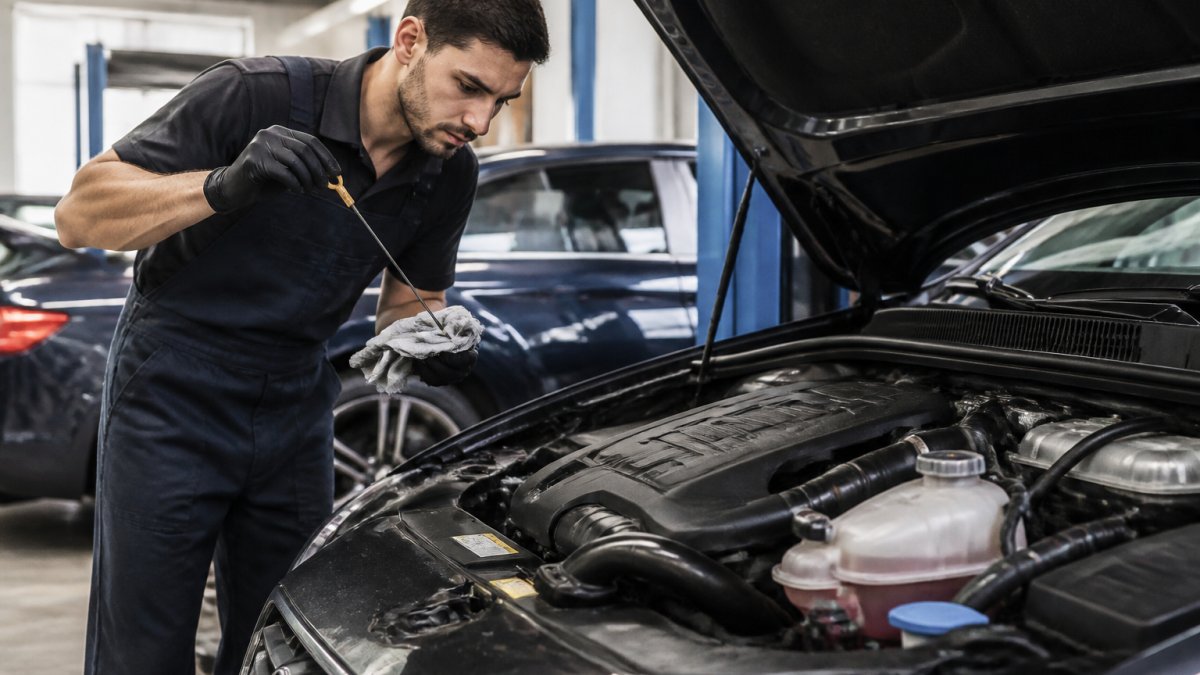
Coolant lasts 3-5 years; performance driving accelerates degradation. Replace every 2 years if tracked.
Brake fluid absorbs moisture and boils under hard braking (A Look at New Types of Brake Fluids).
Check transmission and differential fluid levels monthly. Performance driving demands more frequent changes than normal driving.
Air Filters, Fuel System, and Ignition Components
Inspect your air filter monthly and replace when dirty. High-flow air filters reduce restriction while maintaining filtration.
Use premium fuel (91 octane minimum; 93+ for turbocharged engines) (Selecting the Right Octane Fuel).
Fuel injectors accumulate deposits over time. Use quality fuel with detergents or add fuel system cleaner periodically.
Replace spark plugs per manufacturer recommendations (typically 20,000-30,000 miles). Worn plugs cause misfires that damage catalytic converters.
Monitoring Engine Health and Avoiding Common Mistakes
Proactive owners track onboard diagnostic parameters to catch problems early, rather than waiting for warning lights.
Data-Driven Monitoring: Key Parameters and Thresholds
Oil Pressure:
- Healthy range at idle: 20-40 PSI (depending on engine design)
- Healthy range at 2,000 RPM: 40-60 PSI
- Healthy range at 4,000+ RPM: 60-80 PSI
- Red flag: Oil pressure below 20 PSI at idle or dropping suddenly during acceleration. This indicates oil degradation, low oil level, or bearing wear. Stop driving and investigate immediately.
- Action: Check oil level first. If level is correct, change oil and filter. If pressure remains low after an oil change, have the engine inspected by a specialist.
Coolant Temperature:
- Normal operating range: 180-210°F (most performance engines run at the higher end)
- Caution zone: 210-220°F (acceptable for short periods during hard driving)
- Red flag: 220°F or higher sustained, or rapid temperature spikes. This indicates cooling system stress, low coolant level, or thermostat failure.
- Action: Pull over safely, allow the engine to cool, and check coolant level. If level is low, top up and monitor. If temperature remains high, have the cooling system inspected.
Air-Fuel Ratio (AFR) and Knock Detection:
- Optimal AFR for performance driving: 12.5-13.5:1 (stoichiometric is 14.7:1; richer mixtures under load are normal)
- Red flag: Persistent lean condition (AFR above 14.5:1) under load, which increases detonation risk and engine temperature
- Red flag: Knock events detected by the engine control unit (ECU). Modern vehicles log knock counts; if you see repeated knock, investigate fuel quality and ignition timing.
- Action: Use premium fuel (91 octane minimum; 93+ octane recommended for turbocharged or high-compression engines). If knock persists, have the fuel system and ignition timing checked by a specialist.
Exhaust Gas Temperature (EGT) - Turbocharged Engines:
- Safe range: below 1,400°F under sustained load
- Caution zone: 1,400-1,600°F (acceptable briefly, but indicates high stress)
- Red flag: 1,600°F or higher, which risks turbo damage and catalytic converter failure
- Action: Reduce boost or load. Allow the turbo to cool. If EGT remains high, have the intercooler, fuel system, and ignition timing inspected.
Diagnostic Trouble Codes (DTCs):
- P0300-P0308: Misfire codes. Investigate spark plugs, fuel injectors, and ignition coils immediately. Misfires damage catalytic converters.
- P0171-P0174: Fuel trim codes (system too lean or too rich). Check fuel pressure, injector spray patterns, and air intake leaks.
- P0101: Mass air flow (MAF) sensor fault. A dirty MAF sensor reduces air metering accuracy and performance. Clean or replace as needed.
- P0420: Catalytic converter efficiency below threshold. Often caused by misfires or fuel system problems; address the root cause.
- Action: Do not ignore DTCs. Even if the engine runs, codes indicate developing problems. Use a diagnostic scanner to read freeze-frame data (engine conditions when the code set), which helps pinpoint the cause.
Oil Analysis Testing
Consider periodic oil analysis testing if you track your vehicle. Labs report on viscosity breakdown, contamination, wear metals, and additive depletion.
Common Mistakes That Damage Performance Engines
Neglecting maintenance because the engine "feels fine": Performance engines fail suddenly when maintenance is deferred.
Aggressive cold starts: Let your engine warm up before driving hard.
Ignoring unusual sounds or vibrations: Performance engines communicate problems through noise.
Deferring brake fluid replacement: Brake fluid absorbs moisture from air.
Assuming all premium fuels are equal: Not all 91-octane or 93-octane fuels are created equal.
Frequently Asked Questions
How often should you change the oil in a performance vehicle?
Performance engines typically require oil changes every 3,000 to 5,000 miles, though synthetic oils can extend intervals to 7,500 or 10,000 miles depending on your specific engine and manufacturer recommendations. Check your owner's manual for the exact service interval, as performance engines operate at higher temperatures and stress levels than standard engines. Turbocharged engines often need more frequent changes due to increased heat and pressure.
What is the best oil for a performance engine?
Performance engines benefit from full synthetic oils that meet or exceed your manufacturer's viscosity and specification requirements. Look for oils rated for high-temperature stability and anti-wear protection. European performance vehicles often require specific certifications like BMW LL-01 or Audi VW 502.00. Synthetic oils provide better engine protection, improved flow at cold starts, and extended drain intervals compared to conventional oils, making them ideal for maintaining engine longevity under demanding conditions.
How do you maintain a turbocharged engine?
Turbocharged engines require extra attention to oil quality and change intervals because the turbocharger runs at extreme temperatures and speeds. Use the recommended synthetic oil grade, change it more frequently than standard engines, and allow the engine to idle for a few minutes before driving hard and after high-load driving to cool the turbo. Check intercooler and intake system cleanliness regularly, and avoid short trips that prevent proper engine warm-up, as this accelerates wear on turbocharged components.
What damages an engine the most?
The most common engine damage comes from neglecting oil changes, which causes increased wear and friction at critical engine components. Running on low coolant leads to overheating and potential head gasket failure. Driving with low fuel quality or contaminated fuel injectors reduces combustion efficiency and increases engine strain. Ignoring early warning signs like check engine lights, unusual sounds, or poor performance allows minor issues to become major problems. Additionally, cold starts without proper warm-up and excessive engine load put unnecessary stress on performance engines.
What routine checks help keep an engine performing well?
Check oil level and condition monthly, inspect coolant levels when the engine is cold, examine air filters for dirt and blockages, and verify that spark plugs and ignition components are functioning properly. Monitor fuel system cleanliness by using quality fuel and fuel treatments as needed. Listen for unusual sounds, check for fluid leaks under the vehicle, and review your dashboard warning lights regularly. These routine inspections catch problems early, prevent unexpected breakdowns, and extend overall engine reliability and performance.
Is it better to run 93 octane instead of 87 in a performance car?
Use the fuel octane rating specified in your owner's manual. Performance and turbocharged engines typically require 91 or 93 octane to prevent engine knock and protect internal components from damage. Using lower octane fuel than recommended can cause detonation, reducing power output and potentially causing long-term engine damage. Higher octane fuel than required offers no additional benefit and wastes money. Always follow your manufacturer's recommendation for optimal engine performance and protection.
Should you spray WD-40 on your engine?
Avoid spraying WD-40 directly on engine components, especially near electrical connections, spark plugs, or the ignition system. WD-40 can interfere with electrical connections and create fire hazards near hot engine surfaces. For cleaning engine exteriors or removing light corrosion, use it sparingly and away from sensitive components. For internal engine maintenance and lubrication, rely on proper engine oil and manufacturer-recommended lubricants instead. When in doubt, consult your owner's manual or speak with a certified technician.