 how-to
Why Luxury Cars Get Misdiagnosed: 7 Common Causes
Table of Contents
- Why Luxury Cars Are Especially Vulnerable to Misdiagnosis
- Complex Electrical Systems and Intermittent Car Electrical Issues
- Transmission and Drivetrain Problems That Mimic Other Faults
- Understanding Car Diagnostic Trouble Codes Explained
- Suspension Wear and All-Wheel-Drive System Failures
- Questions to Ask a Mechanic About a Diagnosis
- Getting a Second Opinion for Car Repair Diagnosis
- How to Distinguish a Wrong Diagnosis from a Legitimate Expensive Repair
- Frequently Asked Questions
Last Updated: October 5, 2026
Why Luxury Cars Are Especially Vulnerable to Misdiagnosis
Luxury cars get misdiagnosed more often than standard vehicles because European brands pack complex systems into tight engine bays. Master-certified technicians understand this; many shops don't.
A luxury car misdiagnosis occurs when a shop identifies the wrong cause for a symptom. Your BMW's check engine light might point to the transmission, but the real culprit could be an electrical gremlin triggering multiple fault codes at once.
What separates a correct diagnosis from a wrong one is experience with the specific make and model. European manufacturers use proprietary diagnostic tools and training protocols; a general mechanic's scanner might read the codes, but interpreting them demands specialized knowledge.
An incorrect diagnosis leads to expensive repairs that don't fix the problem, leaving you back at the shop, out more money, and frustrated. That's why a second opinion matters, and why choosing a shop with master-certified technicians from the start saves time and cash.
Complex Electrical Systems and Intermittent Car Electrical Issues
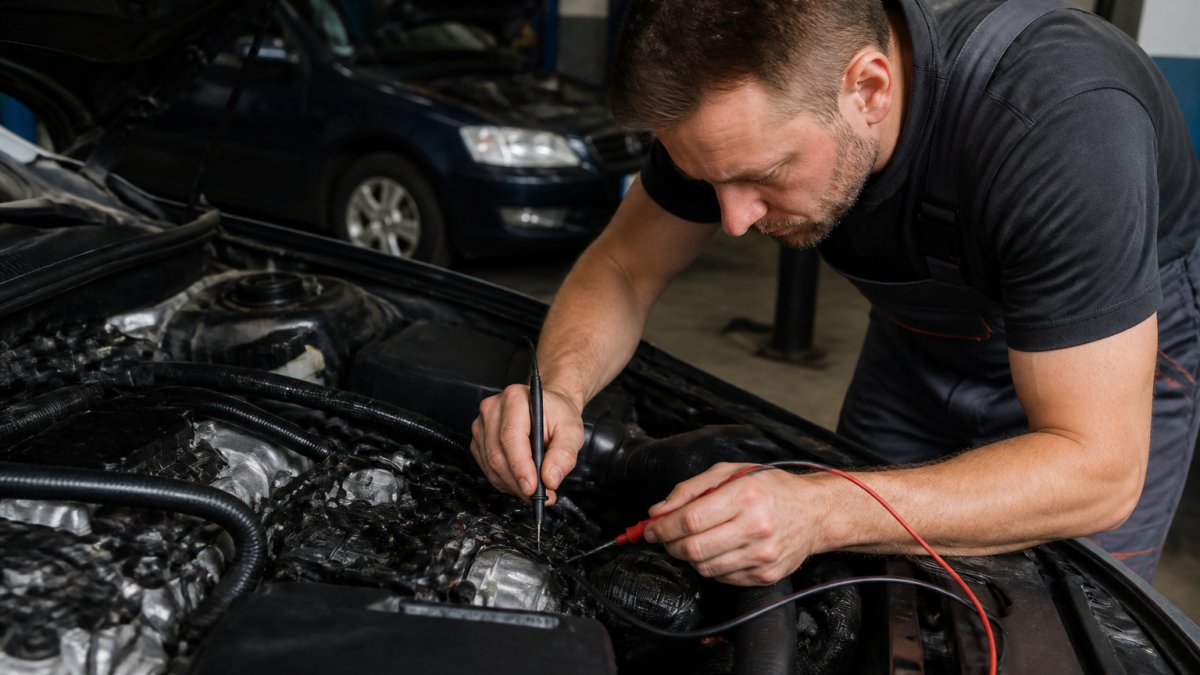
Luxury vehicles rely on interconnected electrical networks that standard cars don't have. One failing component can trigger fault codes across multiple systems. This is where intermittent car electrical issues become a nightmare for diagnosis.
An intermittent fault appears, disappears, then reappears hours or days later, and your scan tool might not catch it.
European luxury brands use multiplexed electrical systems where everything communicates through a central network. A faulty sensor sends false signals throughout the vehicle, and the shop reads downstream codes and replaces components that aren't broken.
Intermittent electrical gremlins don't always show up during a quick scan.
Common electrical misdiagnosis scenarios include:
- Replacing a fuel pump when the real issue is a corroded connector
- Swapping transmissions when a faulty electrical module is the culprit
- Installing a new engine computer when a wiring harness is damaged
- Changing sensors repeatedly while ignoring a ground wire problem
The key to avoiding this: work with a shop that specializes in European vehicles. They know which electrical gremlins are common in your model year and have the equipment and patience to track down intermittent faults.
Transmission and Drivetrain Problems That Mimic Other Faults
Transmission and drivetrain problems in luxury vehicles often masquerade as engine issues, leading to expensive misdiagnosis and unnecessary repairs.
A rough shift might feel like an engine misfire. A hesitation during acceleration could signal a transmission problem or a fuel system fault. Without proper testing, a shop guesses and installs the wrong component.
Luxury car transmissions use adaptive learning, electronic controls, and multiple solenoids. A failing solenoid sends the transmission into limp mode, and some shops see "transmission fault" and recommend a full rebuild costing thousands, when the real fix might be one solenoid for a fraction of that cost.
All-wheel-drive systems add another layer: a failing differential or coupling can feel like transmission slippage. A technician unfamiliar with luxury drivetrain architecture misreads the signs and replaces the wrong part.
Gearbox issues in European luxury cars often trace back to:
- Low or contaminated transmission fluid (easy fix, big symptom)
- Failed solenoids or valve body problems (moderate repair)
- Worn internal components (expensive, but rare before 100,000 miles)
- Electrical connector corrosion (simple fix, often missed)
Transmission symptoms feel urgent, so owners assume the worst and shops confirm those fears without digging deeper. Before you authorize a transmission overhaul, demand a complete electronic diagnostic and a second opinion.
Understanding Car Diagnostic Trouble Codes Explained
Diagnostic trouble codes are the starting point for diagnosis, not the final answer. A code points you toward a system, not always the broken part.
When your check engine light comes on, the computer stores a code. Code P0300 means "random misfire detected", it doesn't tell you why.
European luxury vehicles generate multiple codes when one system fails. A faulty oxygen sensor might trigger codes for the fuel system, catalyst, and emission control; a technician reading only the primary code misses the pattern hidden behind secondary codes.
This is where specialized knowledge matters. A master-certified technician knows which codes correlate in luxury vehicles, understands which failures cascade through the system, and tests components in the right order.
A proper diagnostic process includes:
- Scanning for all active and stored codes
- Researching the specific code and vehicle combination
- Performing targeted tests on suspected components
- Verifying the fix before closing the diagnosis
- Explaining the findings clearly to the owner
Many shops skip steps to save time: they see a code, replace the suggested part, and move on. When the problem returns, they blame the owner or recommend more expensive repairs.
Suspension Wear and All-Wheel-Drive System Failures
Suspension components wear faster on luxury vehicles due to their lower ride heights and stiffer springs. Misdiagnosis happens when wear symptoms get confused with steering or electrical problems.
A clunking noise during turns might be a worn suspension component or a failing all-wheel-drive coupling; a vibration could signal worn bushings or a driveshaft imbalance.
All-wheel-drive systems in luxury cars automatically shift power between front and rear wheels.
Suspension wear patterns vary by model. Some luxury brands experience premature bushing failure. Others have known issues with control arm joints. A shop without European expertise won't recognize these patterns.
Common suspension and drivetrain misdiagnoses include:
- Replacing a transmission when worn suspension bushings cause vibration
- Installing a new engine when a failing all-wheel-drive coupling causes hesitation
- Recommending brake service when worn suspension components cause noise
- Replacing steering components when a faulty all-wheel-drive sensor is the issue
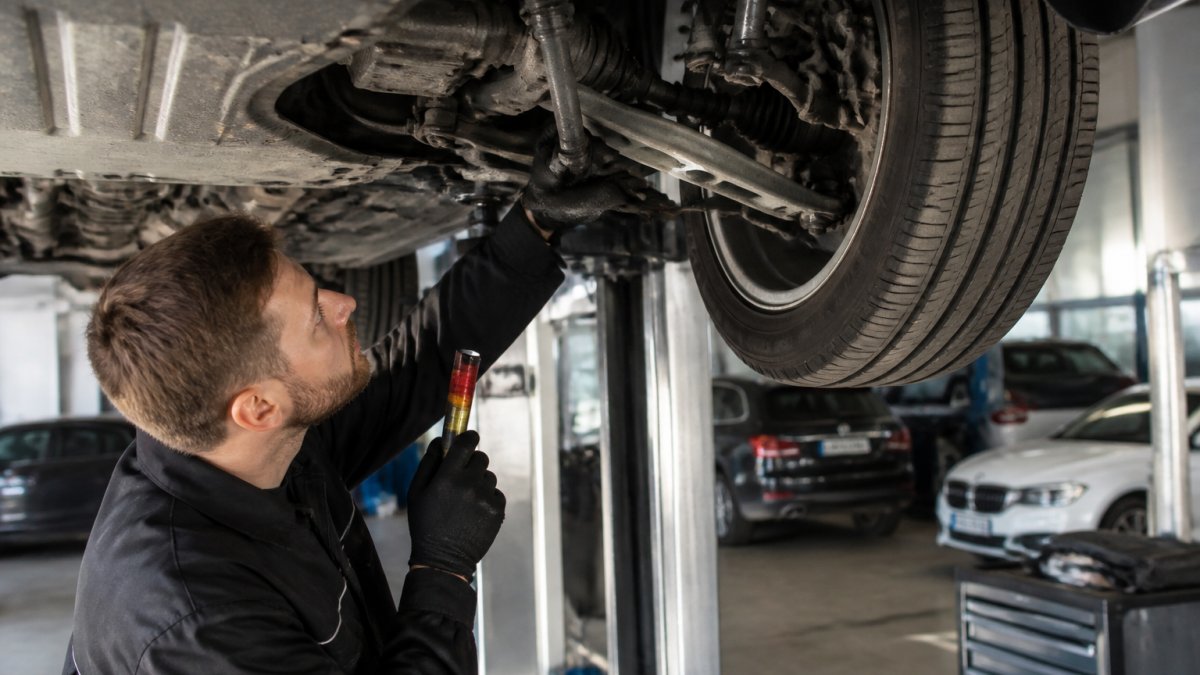
The solution: get a physical inspection from someone who knows European luxury vehicles. Suspension and drivetrain issues require hands-on testing, lifting the vehicle, checking for play, and verifying all-wheel-drive operation before recommending repairs.
Questions to Ask a Mechanic About a Diagnosis
Before you pay for repairs, ask your mechanic specific questions about their diagnosis. The answers reveal whether they understand your vehicle or are guessing.
Ask to see the evidence: a printout of diagnostic codes, test results, and component readings.
Inquire about the manufacturing defect history for your model. Does this vehicle have known issues with this component? A shop with European expertise will know.
Ask what happens if the repair doesn't solve the problem: will they warranty the work or refund the diagnostic fee? A shop standing behind its diagnosis answers clearly; vague responses suggest uncertainty.
Tell them you're getting another shop to review their findings. A confident technician welcomes this; a dishonest one resists.
Key questions to ask:
- "How many of this model have you serviced?"
- "What diagnostic tools do you use for European vehicles?"
- "Are your technicians master-certified?"
- "Will you warranty this repair if it doesn't fix the problem?"
- "Can you explain why this component failed, not just that it did?"
- "What other components did you test before recommending this repair?"
These questions separate shops that know luxury vehicles from those that don't. A shop worth trusting answers thoroughly and welcomes scrutiny.
Getting a Second Opinion for Car Repair Diagnosis
A second opinion for car repair diagnosis costs money upfront but saves thousands if the first diagnosis was wrong, especially for luxury vehicles where repairs run high.
Don't feel bad asking for a second opinion, professional shops expect it, and a confident technician welcomes verification.
When seeking a second opinion, bring the first shop's diagnostic report but don't tell the second shop what the first found, let them run their own diagnostic independently.
Choose the second shop carefully, not a competitor of the first just to get a different answer, but one with equal or greater expertise in European luxury vehicles.
A second opinion should include:
- Independent diagnostic scanning
- Physical component inspection
- Testing of suspect parts under load
- A written report explaining the findings
- A clear recommendation for next steps
The fee for a second opinion varies by complexity, but it's worthwhile insurance against an expensive mistake. If the recommended repair costs thousands, a second opinion is mandatory.
Some shops waive the diagnostic fee if you authorize repairs with them, they're confident enough to bet on their diagnosis. Take advantage of this when possible.
How to Distinguish a Wrong Diagnosis from a Legitimate Expensive Repair
Not every expensive repair is a misdiagnosis. Some luxury cars genuinely need costly work. The challenge is knowing the difference.
Ask the technician to explain the failure chain: why did this component fail, what caused that failure, and what evidence proves the sequence?
Request a parts warranty. If the shop truly believes the repair will solve the problem, they'll warranty parts and labor; if they hedge, they lack confidence.
Ask about the failure rate for this component at this mileage. Is this a known issue or a rare failure? A shop with European expertise knows the difference.
Consider the timing: sudden failures often indicate electrical or mechanical issues, while gradual wear typically means suspension or drivetrain components.
Red flags for wrong diagnosis:
- Shop recommends expensive repair without ruling out cheaper causes
- Technician can't explain why the component failed
- No warranty offered on parts or labor
- Diagnostic fee is waived only if you authorize repairs
- Shop pressures you to decide quickly
- Multiple codes exist but only one is addressed in the repair plan
Green flags for legitimate diagnosis:
- Shop provides detailed test results and documentation
- Technician explains the failure chain logically
- Warranty covers parts and labor for a reasonable period
- Diagnostic fee applies toward repair costs
- Shop welcomes second opinions
- Repair plan addresses all related issues, not just one symptom
The best protection is working with a shop that specializes in European luxury vehicles. Their experience with common failure patterns, manufacturing defects, and diagnostic procedures makes misdiagnosis less likely.
Luxury car misdiagnosis costs owners time, money, and frustration. Euro Specialist provides honest, accurate diagnostics backed by warranty coverage. Schedule an appointment with our team and get the expert diagnosis your European vehicle deserves.
Frequently Asked Questions
What are the most common reasons a luxury car is misdiagnosed?
Luxury cars are misdiagnosed due to their complex electrical systems, multiple interdependent modules, and advanced all-wheel-drive and suspension technology. Technicians unfamiliar with European luxury vehicles often mistake secondary symptoms for primary faults. Intermittent electrical issues are especially prone to misdiagnosis because they don't always trigger consistent diagnostic trouble codes. Shops lacking specialized diagnostic equipment and training in luxury-car architecture frequently replace expensive parts without confirming the root cause.
Can a diagnostic trouble code identify the exact part that has failed?
No. A diagnostic trouble code points to a system or component area, not the specific failed part. For example, a code might indicate 'oxygen sensor circuit malfunction,' but the actual problem could be a wiring harness, connector corrosion, or the sensor itself. In luxury cars with interconnected modules, a single fault in one system can trigger codes in multiple systems. This is why technician expertise and hands-on verification are critical, the code is a starting point, not a diagnosis.
Why can an intermittent electrical problem be difficult to diagnose?
Intermittent electrical faults don't occur consistently, so they may not trigger stored diagnostic trouble codes when the vehicle is scanned. A luxury car's electrical gremlins might appear only under specific conditions: temperature changes, moisture, vibration, or load patterns. Without the fault present during testing, even advanced diagnostic equipment cannot capture the problem. This forces technicians to rely on customer descriptions and pattern recognition, skills that require deep experience with luxury-vehicle electrical architecture.
Should I get a second opinion after an expensive car diagnosis?
Yes, especially for repairs exceeding $2,000 or involving major components like transmissions, engines, or complex electrical systems. A second opinion protects you from paying for unnecessary repairs and confirms whether the original diagnosis was sound. Choose a shop with master-certified technicians and specialized experience in your vehicle's make. Many owners discover that a second opinion either validates the first diagnosis or reveals a lower-cost alternative, either outcome is valuable before authorizing expensive work.