 blog
Is Professional Engine Diagnostic Worth It? 2026 Guide
Table of Contents
- What a Professional Engine Diagnostic Actually Is
- Professional Car Diagnostic Cost: What You're Paying For
- Free Check Engine Light Scan vs Professional Diagnosis
- Engine Diagnostic Test: What Does It Check?
- How Long Does a Car Diagnostic Take?
- When a Diagnostic Is Worth Paying For (and When It Isn't)
- How to Evaluate a Shop's Diagnostic Process and Findings
- Frequently Asked Questions
Last Updated: October 12, 2026
What a Professional Engine Diagnostic Actually Is
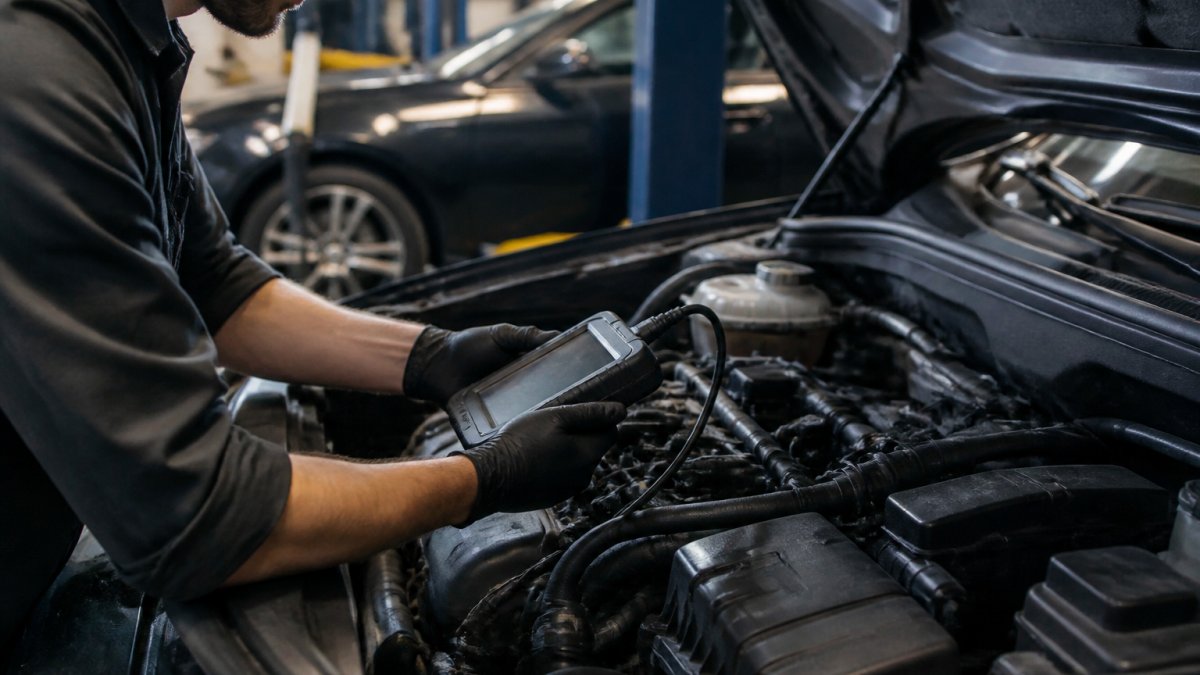
A professional engine diagnostic is a paid, hands-on inspection where a trained technician uses scan tools and testing equipment to find the root cause of a warning light or driveability problem.
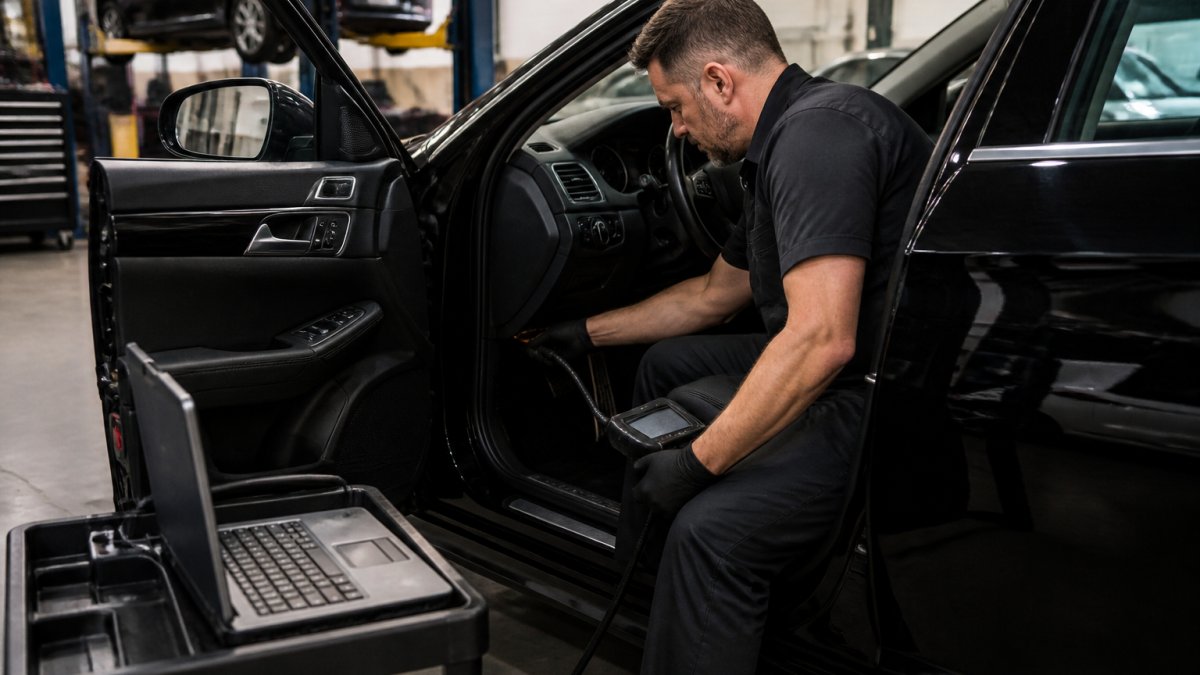
At Euro Specialist, we run diagnostics on European vehicles every day, and the difference between a code and a diagnosis is where most drivers get confused.
Here is the short version:
- A fault code tells you which system set a warning.
- A diagnostic test tells you why it set it.
- A repair estimate tells you what it costs to fix.
The code is a starting point. The diagnosis is the destination.
Professional Car Diagnostic Cost: What You're Paying For
Professional car diagnostic cost depends on the vehicle, the shop, and how complex the problem is. You are paying for a technician's time, diagnostic equipment, and the testing needed to confirm a root cause.
That said, "it depends" is not a useful answer on its own. Here is the honest range most drivers see, and the factors that push a bill to one end or the other.
Typical Diagnostic Fee Ranges
Across independent shops and dealership service departments, a diagnostic fee commonly lands somewhere between roughly one and two hours of the shop's posted labor rate. Dealerships and European-only specialists tend to sit at the top of the range because their scan tools, software subscriptions, and technician training cost more to maintain.
Treat any number as a starting point, not a quote. The fee reflects the time the shop expects to spend, and complex electrical or intermittent faults can exceed it.
What Actually Moves the Number
- Vehicle make and model. European cars often need manufacturer-specific scan tools and paid software subscriptions, which the shop passes through in its labor rate.
- Symptom type. An intermittent issue can take longer to catch than a steady one, because the technician may need to reproduce it under specific conditions.
- Diagnostic complexity. A stored code with a clear cause is fast. A wiring fault, a network communication error, or a parasitic draw can take hours of circuit testing.
- Shop type. An independent mechanic and a dealership service department price differently, and so do generalists versus marque specialists.
The Fee-Application Question: Ask Before You Drop the Car
Many shops credit the diagnostic fee toward the repair if you authorize the work. Others charge the diagnosis as a standalone service and bill the repair separately.
Ask three questions up front:
- Is the diagnostic fee applied to the repair if I authorize it?
- Is there a time limit or a minimum repair amount for that credit?
- If the diagnosis is inconclusive, do I pay again for the next round of testing?
Get the answers in writing on the repair order. It prevents the most common surprise: a customer who expected the fee to vanish into the repair bill and instead sees it listed twice.
What the Fee Includes, and What It Does Not
A diagnostic fee typically covers technician time, use of scan tools and testing equipment, and follow-up testing within the scope of that visit. It is payment for the investigation, not the fix.
What it usually does not include:
- The cost of parts
- The labor to complete the repair
- Additional testing if the first round is inconclusive or the fault will not reproduce
- A second opinion from another shop
This is the distinction that trips people up. Reading a fault code takes minutes. Troubleshooting the underlying cause takes skill and time. Completing the repair is a separate line item.
| Option | What You Get | Best For | Main Limit |
|---|---|---|---|
| Free code scan | Stored fault codes | A quick first look | No root cause |
| DIY code reader | Codes plus basic live data | Confident DIYers | Limited make-specific data |
| Professional diagnosis | Confirmed root cause plus test evidence | Most warning lights | Costs a fee |
We do not publish flat diagnostic pricing because it would be misleading across the range of vehicles we see. Call us or check our site for a current quote based on your vehicle and symptoms.
Free Check Engine Light Scan vs Professional Diagnosis
A free check engine light scan reads stored fault codes. A professional diagnosis confirms what those codes mean and which part actually failed. The scan is free because it takes minutes. The diagnosis costs money because it takes skill.
What a Free Code Reader Can and Cannot Tell You
A DIY code reader or auto parts store scan can pull codes from your OBD-II port. That is genuinely useful. It tells you a system logged a fault.
What it cannot do:
- Confirm which component failed
- Distinguish a bad sensor from a wiring problem
- Catch intermittent issues that are not stored yet
- Read manufacturer-specific data on many European models
So a free scan can point you in a direction. It cannot hand you a repair decision.
What a Shop's Diagnostic Fee Includes (and What It Doesn't)
A diagnostic fee typically covers technician time, use of scan tools, and follow-up testing. Many shops apply the fee to the repair if you authorize the work. Ask about this before you drop the car off.
What it usually does not include:
- The cost of parts
- The labor to complete the repair
- Additional testing if the first round is inconclusive
Get this in writing. It prevents surprises.
| Option | What You Get | Best For | Main Limit |
|---|---|---|---|
| Free code scan | Stored fault codes | A quick first look | No root cause |
| DIY code reader | Codes plus basic data | Confident DIYers | Limited make-specific data |
| Professional diagnosis | Confirmed root cause | Most warning lights | Costs a fee |
Engine Diagnostic Test: What Does It Check?
An engine diagnostic test checks the systems tied to your warning light and symptoms. That includes sensor readings, fuel and ignition data, and live engine performance.
Typical checks:
- Fault codes stored in the computer
- Live sensor data like oxygen and mass airflow readings
- Misfire counts by cylinder
- Fuel trim to spot rich or lean running
A good technician also road-tests the car and compares readings to the vehicle's normal range. That is how an intermittent issue gets caught.
How Long Does a Car Diagnostic Take?
A basic car diagnostic takes about an hour for a simple, steady fault. Complex or intermittent problems can take several hours or require the car to stay overnight so a technician can catch the issue when it appears.
What changes the time:
- A steady code with an obvious cause: fast
- An intermittent fault that will not repeat: slow
- Electrical gremlins on a European model: often the slowest
Triage First: What Can Wait and What Cannot
Before you book anything, sort the symptom into one of three buckets. This is the step most articles skip, and it is the one that protects your engine.
Stop driving now. A flashing check-engine light usually signals an active misfire that can dump unburned fuel into the catalytic converter and destroy it.
Schedule at your convenience. A warning light that appeared once and cleared, or a maintenance-related reminder, can wait for a normal appointment.
What Happens When the Diagnosis Is Inconclusive
Intermittent faults do not always cooperate. A technician may run the full test sequence and still not reproduce the problem.
A common pattern is a two-stage process. The first visit establishes what the fault is not, ruling out the obvious causes and narrowing the suspect list.
If a repair is completed and the light returns, the question becomes whether the original diagnosis was wrong or whether a second, separate fault is present.
Time savings matter here.
When a Diagnostic Is Worth Paying For (and When It Isn't)
A professional diagnosis is worth paying for when a warning light, symptom, or intermittent fault has no obvious cause. It is often not worth it when the problem is clear and cheap to fix on its own, like a loose gas cap setting a code.
Worth paying for:
- A check-engine light with no clear cause
- A misfire, rough idle, or power loss
- An intermittent issue two shops could not solve
- A pre-purchase inspection on a used European car
Probably not worth it:
- A single code you can clear and confirm is a loose gas cap
- A known maintenance item you already planned to fix
Symptoms That Need Urgent Attention
Some symptoms should not wait. Get them checked right away:
- A flashing check-engine light
- Overheating
- A strong fuel smell
- Heavy smoke from the exhaust
- Sudden loss of power or braking
A flashing light usually means an active misfire that can damage your catalytic converter. That is a stop-driving situation.
A Decision Framework: Vehicle Age, Symptoms, and DIY Skill
Use this to decide fast:
- Newer European car, complex symptom: go professional.
- Older car, clear single code: a code reader may be enough.
- Intermittent fault: go professional; guessing costs more.
- Confident DIYer, simple fix: start with your own reader.
When in doubt, a diagnosis is cheaper than replacing parts by guesswork.
How to Evaluate a Shop's Diagnostic Process and Findings
Evaluate a shop by whether it explains the root cause, shows you the test results, and gives you a written repair estimate before work begins.
Ask these questions:
- What tests did you run, and what did they show?
- Is this the root cause or a symptom?
- Is the diagnostic fee applied to the repair?
- Is the work warrantied?
- What happens if the repair does not fix it?
If a shop cannot answer these, keep looking. Our team at Euro Specialist backs all work with a warranty and walks you through the findings before you authorize anything.
For related work, we also handle preventative maintenance and engine repair once a diagnosis is confirmed.
Frequently Asked Questions
Is a professional engine diagnostic worth the cost?
For most drivers, yes, especially when symptoms are intermittent or electrical. A professional engine diagnostic identifies the root cause instead of guessing, which prevents paying for parts that don't fix the problem. For European vehicles with complex electronics, a master-certified technician using factory-level scan tools can pinpoint faults a basic code reader misses. The diagnostic fee often applies toward the repair, making the out-of-pocket cost lower than it first appears.
Is a free code scan as good as a professional diagnostic?
No. A free scan at an auto parts store pulls fault codes from your car's computer, but it doesn't tell you what's causing them. One code can point to several possible failures. A professional diagnosis includes live data analysis, follow-up testing, and a technician's interpretation of the results. That's the difference between knowing a cylinder is misfiring and knowing whether it's the coil, the injector, or a wiring issue.
How long does a car diagnostic take?
A basic diagnostic check can take 30 to 60 minutes. Complex electrical or intermittent issues may take several hours or require the vehicle to stay overnight so the technician can reproduce the problem. European vehicles with multiple control modules often need more time because the diagnostic process involves scanning several systems, not just the engine computer. Ask the shop for a time estimate before you drop off the car.
Should I get a diagnostic before approving a repair?
Yes. A diagnostic gives you the repair estimate's foundation. Without it, you're authorizing work based on a guess. Ask the shop to explain what the diagnostic found, which tests confirmed it, and why the recommended repair addresses the root cause. If the explanation is vague or the shop skips testing, get a second opinion. A written diagnostic report also protects you if the repair doesn't solve the problem.
An unexplained warning light or a problem two other shops could not solve is exactly when a real diagnosis pays off. Euro Specialist offers master-certified technicians, expertise across all European makes, and a warranty on all our work, so you get a straight answer instead of guesswork. Schedule an appointment and let us find the root cause the first time.